Wildlife Photography Guide Sri Lanka
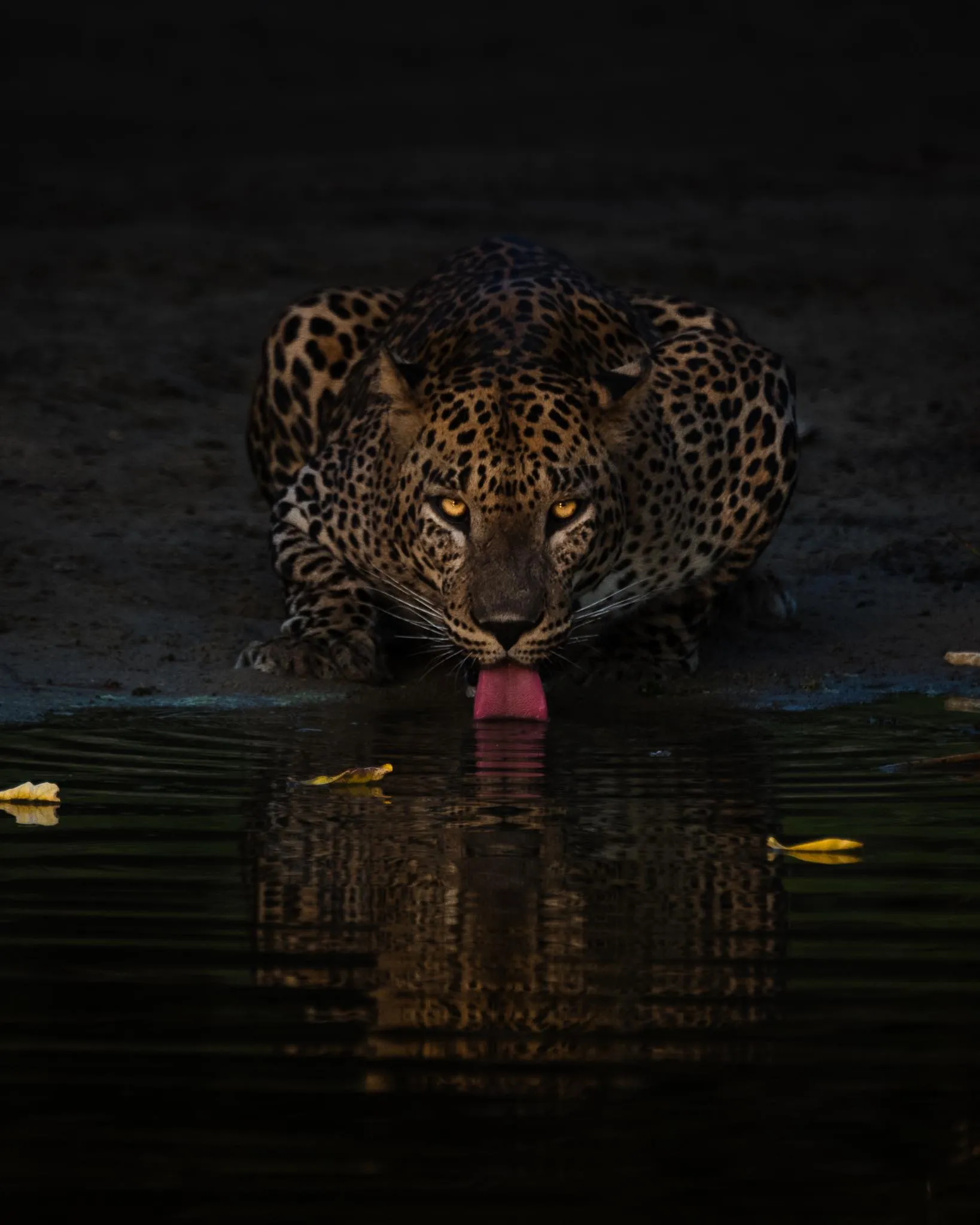
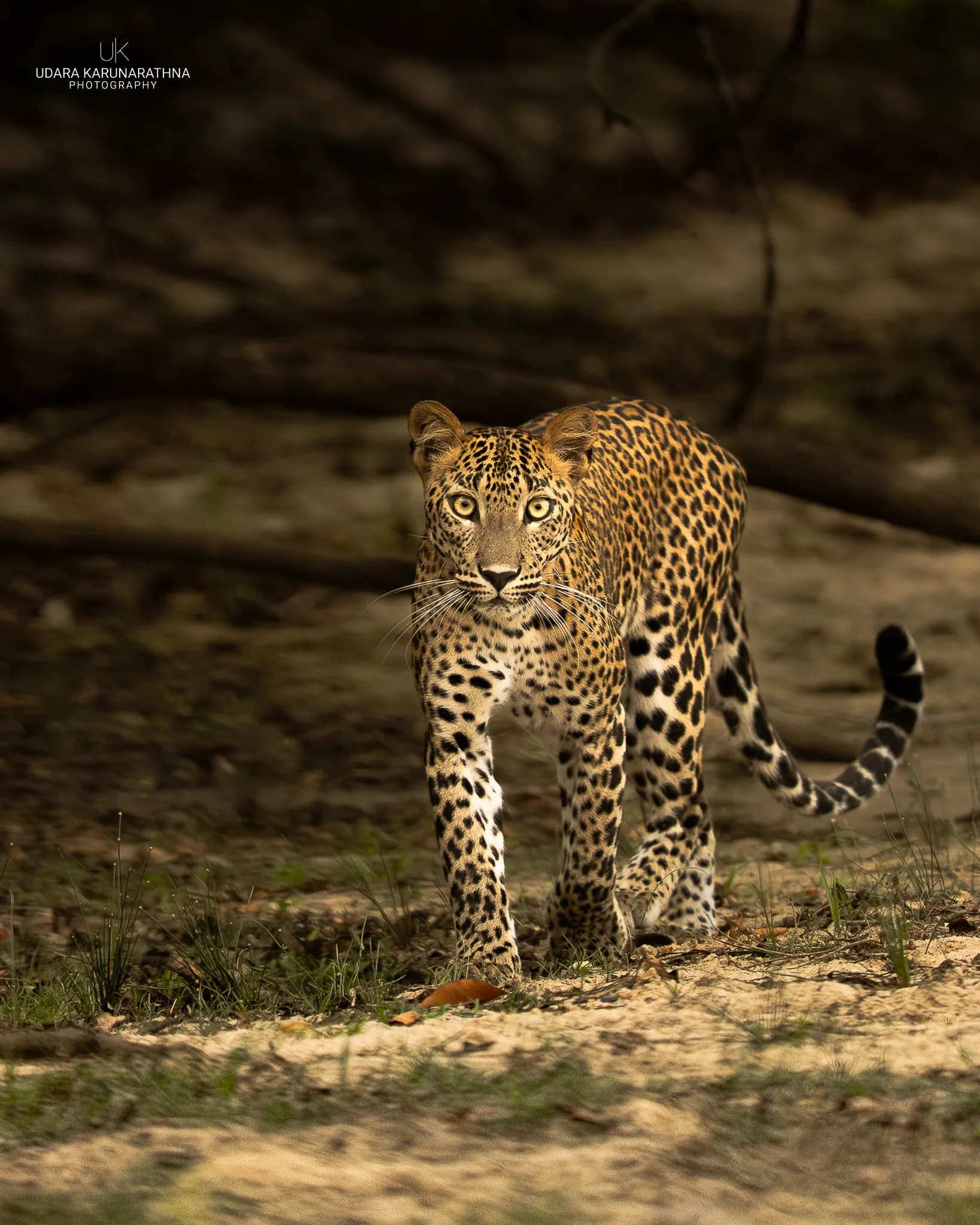
Sri Lankan Leopard (Yala)100-400mm or 200-600mm zoom

Wildlife Photography Guide Sri Lanka

Sri Lanka has rapidly emerged as one of the top wildlife photography destinations in Asia, offering an extraordinary range of subjects within a compact island that can be traversed in a matter of hours. From the piercing gaze of a Sri Lankan leopard framed by the golden light of Yala at dawn, to the thundering spectacle of 300 elephants gathering at Minneriya as the sun sets, to the explosive breach of a blue whale off the southern coast, the island presents photographic opportunities that rival any destination on Earth. The combination of high wildlife density, accessible national parks, and diverse habitats makes Sri Lanka a dream destination for both amateur and professional wildlife photographers.

Yala National Park is the undisputed star for big cat photography, where the world's highest leopard density means that patient photographers with good guides can achieve frame-filling shots of these magnificent predators. Udawalawe provides arguably the most reliable wild Asian elephant photography anywhere, with herds of 150+ elephants in open grassland that allows for dramatic compositions with sweeping landscapes. For bird photographers, Sinharaja Forest Reserve and Bundala National Park offer radically different but equally rewarding subjects, from colorful endemics in dense canopy to flamingo flocks reflected in shimmering lagoons.

This comprehensive guide covers everything a wildlife photographer needs to plan a successful Sri Lankan shoot: from the essential camera gear and lenses to pack, to the best parks and hides for specific subjects, field techniques for challenging conditions, and insider tips from experienced local photographer-guides who know these animals intimately. Whether you are building a portfolio, working on a magazine assignment, or simply capturing memories of a once-in-a-lifetime safari, this guide will help you make the most of every photographic moment in Sri Lanka.
Where to See

Yala National Park

very high

The top destination for leopard photography, with the highest density in the world. Rocky outcrops, waterholes, and open scrubland create varied backdrops for dramatic big cat images.

national park

Udawalawe National Park

very high

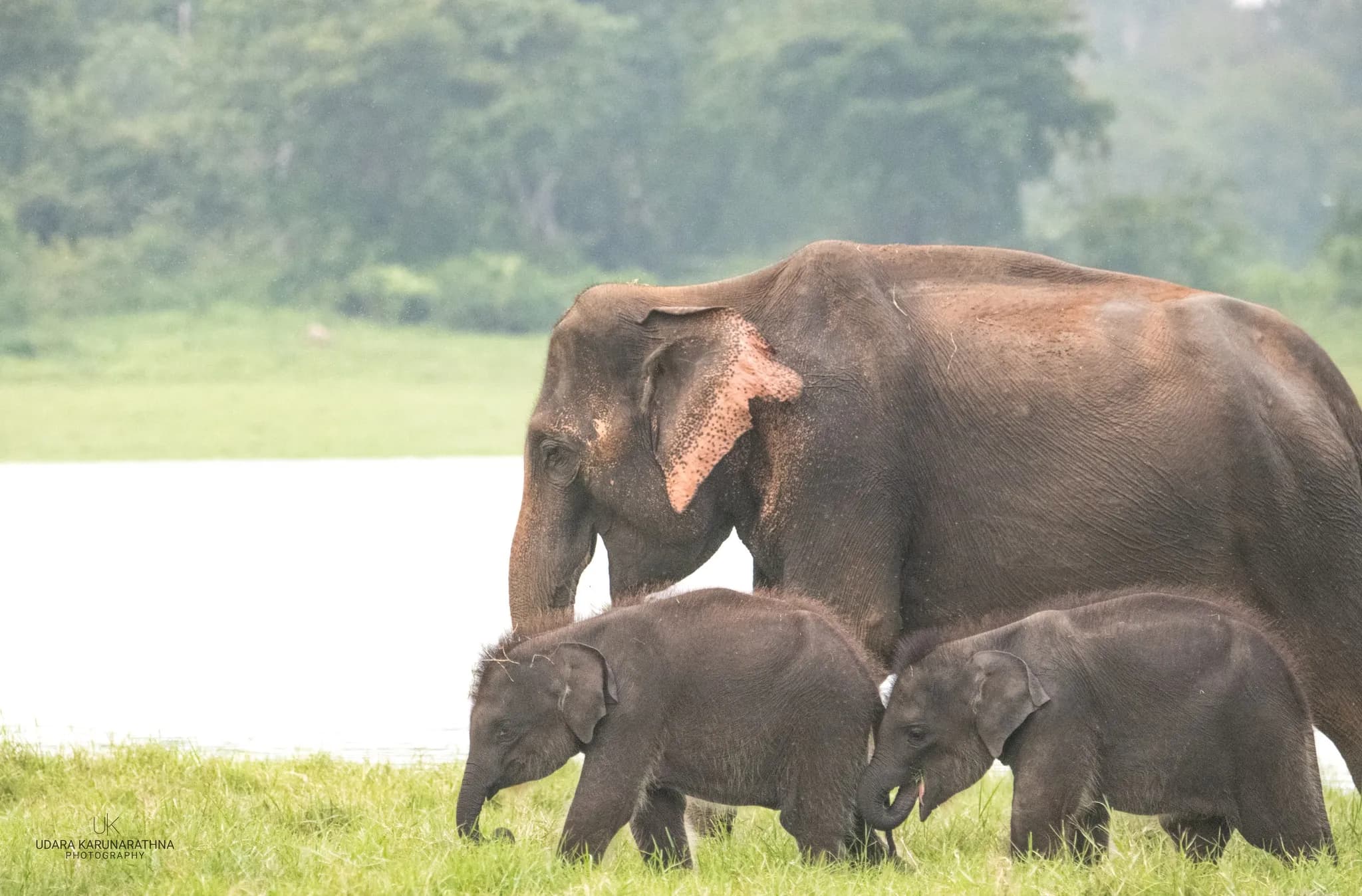
The best park for elephant photography. Open grasslands allow for wide-angle environmental portraits and dramatic backlighting during golden hour.

national park

Sinharaja Forest Reserve

high

Challenging but rewarding for endemic bird photography. Dense canopy requires fast lenses and high ISO, but the colorful subjects make it worthwhile.

forest

Bundala National Park

high

Excellent for waterbird and flamingo photography. The still lagoons create mirror reflections, and the open landscape provides clean backgrounds.

national park

Minneriya National Park

very high

Unparalleled for capturing the scale and drama of large elephant herds during The Gathering (July-October). Sunset compositions are particularly spectacular.

national park

Activities & Experiences

Yala Leopard Photography Safari

$150 - $350 per person per day

A multi-day photography-focused safari at Yala with an experienced photographer-tracker who positions the vehicle for optimal light and composition at known leopard territories.

Udawalawe Elephant Photography Drive

$80 - $180 per person

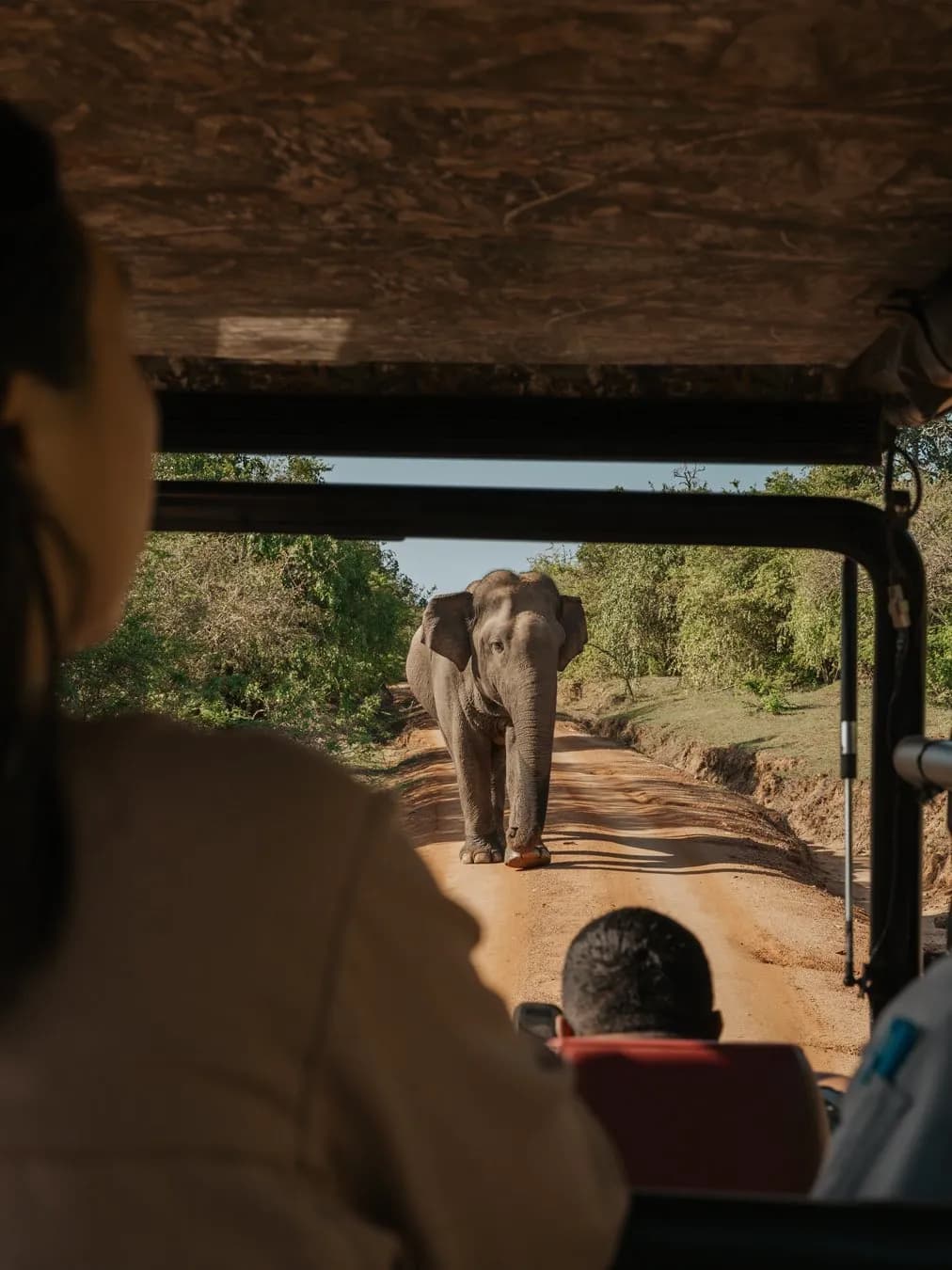
A full-day safari at Udawalawe timed for golden hour at both ends of the day. Focus on dramatic backlighting, herd behavior, and environmental elephant portraits.

Sinharaja Bird Photography Walk

$50 - $120 per person

A guided forest walk with a bird photography specialist who understands both the behavior of mixed-species flocks and the photographic requirements of rainforest shooting.

Bundala Flamingo and Waterbird Shoot

$60 - $120 per person

A targeted photography safari at Bundala during flamingo season (Oct-Mar), focusing on flock formations, reflections, and flight photography of waterbirds.

Whale Photography Expedition

$100 - $250 per person

A specialized whale watching trip with a marine photography guide, using techniques for capturing blue whale flukes, breaching behavior, and whale spouts from a moving boat.

Comprehensive Photography Tour

$200 - $400 per person per day

A 7-10 day all-inclusive photography tour covering Yala, Udawalawe, Sinharaja, and Bundala with a professional wildlife photography guide. Includes transport, accommodation, and all park fees.

Viewing Tips

  • Invest in a good local photographer-guide rather than just a standard safari tracker. The difference in photographic output is dramatic.
  • Spend multiple days in a single park rather than rushing between parks. Familiarity with a location and its animals yields far better images.
  • Study the behavior of your target species before the trip. Understanding leopard territorial patterns or elephant social dynamics helps anticipate photographic moments.
  • Visit Yala during the dry season (Feb-Jun) when leopards concentrate around waterholes, creating classic reflection shots.
  • For Udawalawe, position yourself with the sun behind you in the morning and shoot toward the light in the evening for different moods.

Photography Tips

  • Primary lens recommendation: a 100-400mm f/4.5-5.6 or 200-600mm f/5.6-6.3 zoom covers 90% of safari photography needs.
  • Secondary lens: a 24-70mm or 24-105mm for landscapes, environmental shots, and vehicle-based storytelling.
  • Use a beanbag on the vehicle frame rail for stabilization. It is more versatile and faster than any tripod or monopod setup in a jeep.
  • Shoot in RAW format exclusively. The dynamic range of dawn and dusk light requires significant post-processing latitude.
  • Set your camera to back-button autofocus for instant switching between static and tracking focus modes.
  • For leopards at Yala, pre-set your camera to AI Servo AF, 1/800s minimum shutter speed, and Auto ISO with a ceiling of 6400.

Frequently Asked Questions

What is the best park for wildlife photography in Sri Lanka?

Yala is the best for leopard photography. Udawalawe is best for elephants. Sinharaja is top for endemic birds. Bundala excels for flamingos and waterbirds. Most serious photographers spend 2-3 days at each of their priority parks.

What camera gear should I bring for a Sri Lanka safari?

Essential: a camera body with good autofocus and high ISO performance, a 100-400mm or 200-600mm telephoto zoom, a beanbag for stabilization, and sufficient memory cards and batteries. Useful extras: a 24-70mm lens, teleconverter, and waterproof camera cover.

Do I need a photographer-guide for wildlife photography?

While not essential, a photographer-guide significantly improves results. They understand both animal behavior and photographic needs, positioning the vehicle for optimal light and anticipating key moments. Budget $50-100 extra per day for this specialized service.

How much does a wildlife photography tour cost in Sri Lanka?

Self-guided safaris with standard drivers cost $50-80 per day. Guided photography safaris with specialist guides run $120-200 per day. Professional all-inclusive photography tours cost $250-400 per person per day, covering accommodation, transport, guides, and park fees.

Is Sri Lanka good for bird photography?

Excellent. Sri Lanka has 34 endemic species, many of which are stunningly colorful. Sinharaja is the premier destination for endemic bird photography. Bundala, Kumana, and the hill country also offer outstanding birding photography opportunities.

Quick Facts

Top SubjectSri Lankan Leopard (Yala)
Best Lens100-400mm or 200-600mm zoom
Best LightGolden hours (5:30-7:30 AM, 4-6 PM)
Key SettingsAI Servo AF, burst mode, RAW format
StabilizationBeanbag on vehicle frame
StorageBring 200+ GB of card capacity

Best Time to Visit

FebruaryMarchApril

February to April combines the best photographic conditions across multiple parks: dry season for Yala leopards, the last months of whale season at Mirissa, flamingo season at Bundala, and comfortable weather for Sinharaja bird photography.

Best Time of Day

The golden hours of dawn (5:30-7:30 AM) and late afternoon (4:00-6:00 PM) produce the most dramatic light for wildlife photography. Overcast midday conditions can work well for forest bird photography where harsh shadows are undesirable.

Tour Costs

Budget$50 - $80 per person per day (self-guided with standard safari driver)
Standard$120 - $200 per person per day (photographer-guide, private jeep)
Premium$250 - $400 per person per day (professional tour, all-inclusive)

Safety Info

  • Protect your camera equipment from dust, heat, and humidity. Bring silica gel packs and lens cloths, and store gear in sealed bags when not in use.
  • Stay inside the safari vehicle at all times. Do not lean out excessively for shots, as branches and sudden vehicle movements can cause injury.
  • Bring multiple batteries and keep spares warm in your pockets. Hot conditions followed by cool mornings can affect battery performance.
  • Insure your camera gear before the trip. Safari roads are rough and dust and vibration can damage equipment.
  • Stay hydrated and apply sunscreen. It is easy to lose track of time and basic self-care when focused on shooting.

Getting There

From Colombo

A typical photography circuit starts from Colombo heading south to Sinharaja (4-5 hours), then to Udawalawe (2-3 hours), Bundala/Yala (1-2 hours), and optionally north to Minneriya (5-6 hours). Total driving distances of 500-800 km over a 7-10 day trip.

Top Location

Yala National Park (for leopards)

Directions

Sri Lanka's wildlife photography hotspots are spread across the island. A typical photography itinerary covers the southern circuit (Yala, Udawalawe, Bundala) and/or the western wet zone (Sinharaja, Kitulgala). Private vehicle with driver is the standard travel method.

Where to Stay

Wild Coast Tented Lodge (Yala)
luxury$400 - $800 per night
Grand Udawalawe Safari Resort
mid range$60 - $120 per night
Rainforest Edge Sinharaja
eco lodge$60 - $120 per night
Budget Safari Rest
budget$15 - $35 per night

Explore More Wildlife