Sri Lanka Leopards
700 - 950 individualsVulnerable (IUCN)

Sri Lanka Leopards

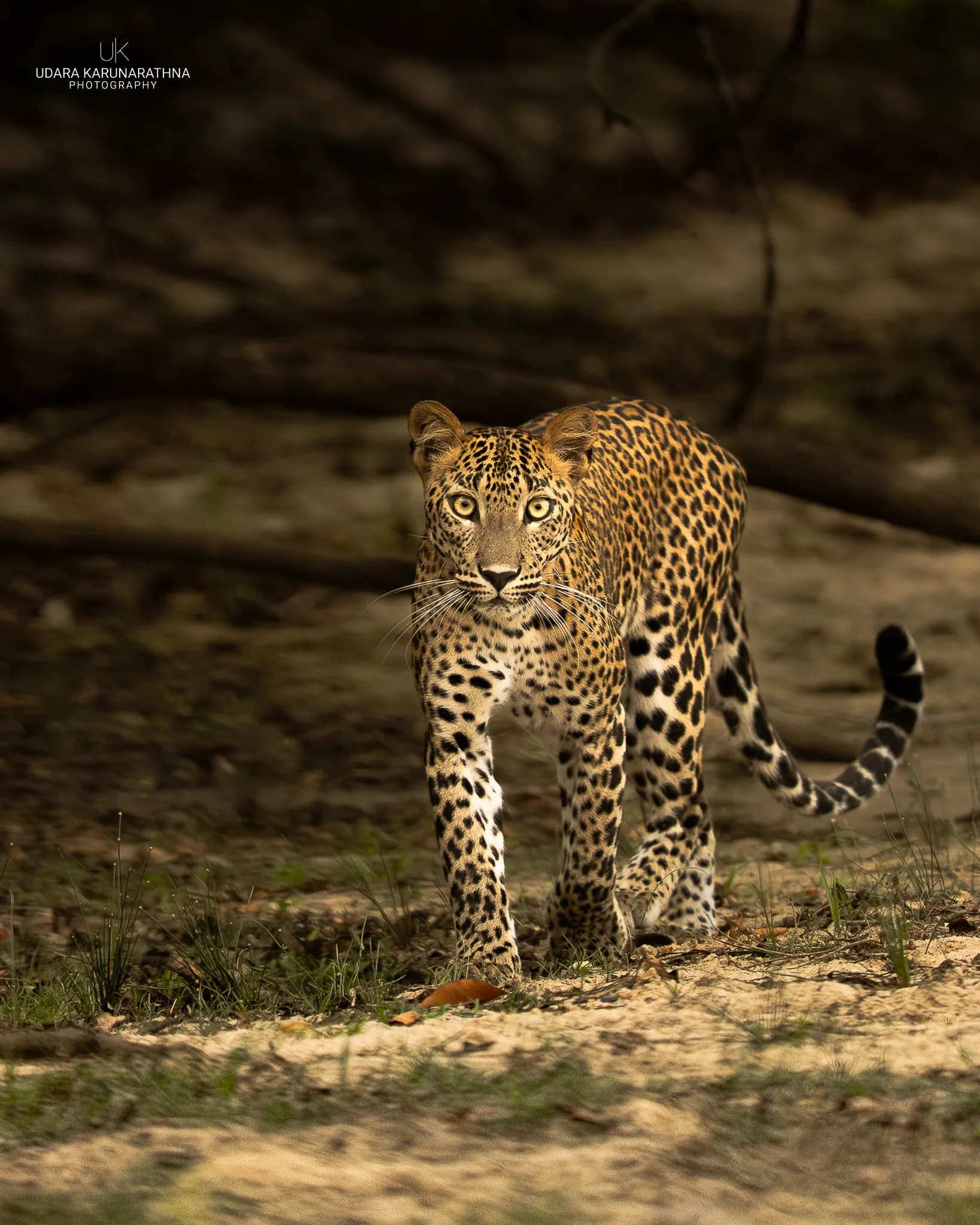
The Sri Lankan leopard (Panthera pardus kotiya) is one of the most iconic and sought-after wildlife sightings in all of Asia. As an endemic subspecies found nowhere else on Earth, these magnificent big cats hold the distinction of being the apex predator on the island, occupying the ecological niche that tigers fill on the Asian mainland. With an estimated population of 700 to 950 individuals scattered across the island's national parks and forest reserves, Sri Lanka offers one of the highest densities of leopards anywhere in the world.

Yala National Park in the southeastern corner of the island is widely regarded as the single best place on the planet to observe leopards in their natural habitat. Block 1 of Yala holds an extraordinary density of these cats, and experienced trackers can achieve sighting success rates of over 60 percent during the dry season months. Wilpattu National Park in the northwest offers a more serene and less crowded alternative, where leopards roam through dense forest punctuated by natural lakes called villus. Horton Plains National Park in the central highlands provides a unique high-altitude setting where leopards have adapted to cooler montane conditions.

Whether you are a seasoned wildlife photographer seeking the perfect frame or a first-time safari-goer hoping for a life-changing encounter, Sri Lanka delivers an unparalleled leopard experience. The combination of accessible parks, knowledgeable local trackers, and a relatively habituated population of leopards makes this island nation a must-visit destination for any big cat enthusiast.
Where to See

Yala National Park (Block 1)

very high

Block 1 of Yala has the highest leopard density in the world. Morning and late afternoon game drives offer the best chances, especially near Patanangala and the rocky outcrops along the coast.

national park

Wilpattu National Park

high

Sri Lanka's largest national park offers a more tranquil leopard experience. Leopards are often spotted near the natural lakes (villus) and dense scrubland. Far fewer jeeps compared to Yala.

national park

Horton Plains National Park

moderate

A unique highland setting at 2,100 meters elevation where leopards roam the cloud forest and grasslands. Sightings are rarer but the setting is spectacular.

national park

Kumana National Park

moderate

Located adjacent to Yala on the eastern side, Kumana receives far fewer visitors and offers a quieter alternative for leopard sightings in similar dry-zone habitat.

national park

Activities & Experiences

Full-Day Leopard Safari at Yala

$80 - $200 per person (includes jeep, tracker, and park fees)

A comprehensive game drive through Block 1 of Yala National Park with an experienced leopard tracker. Covers key territories including Patanangala, Buttuwa, and the coastal zones where leopards are frequently spotted.

Wilpattu Half-Day Safari

$60 - $150 per person

Explore the ancient forests and natural lakes of Wilpattu with fewer crowds. Morning safaris starting at dawn offer the best chance of spotting leopards near water sources.

Multi-Day Leopard Photography Tour

$300 - $600 per person per day

A dedicated two to three day photography-focused safari with a professional wildlife guide, covering multiple zones of Yala for the best leopard photography opportunities.

Night Safari Experience

$50 - $100 per person

Some private reserves adjacent to national parks offer night drives where you can observe leopards hunting under spotlight, providing a rare glimpse into their nocturnal behavior.

Leopard Conservation Talk

Free - $20 donation appreciated

Visit the Wilderness & Wildlife Conservation Trust research station to learn about ongoing leopard conservation efforts, GPS tracking studies, and the challenges facing Sri Lanka's big cats.

Kumana Wilderness Safari

$70 - $140 per person

An off-the-beaten-path safari to Kumana National Park, where leopards share the landscape with hundreds of bird species. Ideal for those seeking solitude and diverse wildlife.

Viewing Tips

  • Book the earliest morning slot (5:30 AM gate opening) for the best chance of leopard activity before the heat sets in.
  • Choose an experienced tracker who knows the current leopard territories. Individual leopards are often monitored and their movements predicted by skilled guides.
  • Be patient and quiet. Leopards are sensitive to noise and sudden movements. Some of the best sightings come after long, silent waits.
  • Look up into trees, especially fig and nuga trees. Leopards frequently rest on branches during the day with their kills.
  • Dry season (February to July) is optimal because vegetation thins out and leopards concentrate around water sources, making them easier to spot.
  • Avoid Block 1 of Yala during weekends and public holidays when jeep congestion can reach overwhelming levels.

Photography Tips

  • Bring a telephoto lens of at least 200mm, ideally 400-600mm. Leopards can be spotted at varying distances, from 10 meters to several hundred meters away.
  • Use a bean bag or monopod for stabilization on the jeep. Tripods are impractical in a moving vehicle.
  • Set your camera to continuous autofocus (AI Servo/AF-C) and high burst rate. Leopard behavior can change in an instant, from a lazy yawn to a sudden sprint.
  • Early morning golden light at Yala creates stunning backlit images, especially when leopards are silhouetted on rocky outcrops.
  • Be ready at all times. Some of the best shots come from unexpected moments when a leopard appears from dense bush just meters from the vehicle.

Frequently Asked Questions

What is the best national park to see leopards in Sri Lanka?

Yala National Park (Block 1) is widely considered the best place in the world to see leopards. The park has the highest density of leopards anywhere, and experienced trackers can achieve sighting success rates of over 60% during the dry season (February-July).

Are Sri Lankan leopards different from African leopards?

Yes. The Sri Lankan leopard (Panthera pardus kotiya) is a distinct endemic subspecies found only in Sri Lanka. They tend to be slightly larger than their Indian counterparts and are the apex predator on the island, as there are no tigers or lions competing for territory.

How much does a leopard safari cost in Sri Lanka?

A half-day shared jeep safari at Yala costs around $40-60 per person. A private full-day safari with an experienced tracker runs $80-150 per person. Premium experiences with exclusive vehicles and expert guides range from $200-400 per person.

When is the best time of year to see leopards?

The dry season from February to July offers the best leopard sighting conditions. During these months, vegetation thins and animals gather around shrinking water sources. The park is closed each September for annual maintenance.

How many leopards are left in Sri Lanka?

Current estimates suggest there are between 700 and 950 Sri Lankan leopards remaining in the wild. They are classified as Vulnerable on the IUCN Red List. The biggest threats include habitat loss, human-wildlife conflict, and poaching.

Is Yala too crowded for a good leopard experience?

Yala Block 1 can become very congested with safari jeeps, particularly on weekends and holidays. For a more peaceful experience, visit on weekdays, choose the earliest morning slot, or consider Wilpattu National Park as a less-crowded alternative with good leopard sightings.

Quick Facts

Population Estimate700 - 950 individuals
Conservation StatusVulnerable (IUCN)
Average Weight55-75 kg (males), 30-45 kg (females)
Best ParkYala National Park (Block 1)
Sighting Success Rate60%+ at Yala in dry season
Endemic SubspeciesYes - found only in Sri Lanka
Territory Size10-50 sq km depending on habitat
Scientific NamePanthera pardus kotiya
Conservationvulnerable

Best Time to Visit

FebruaryMarchAprilMayJune

The dry season from February to June is the best time to spot leopards at Yala. Water sources shrink, forcing animals to congregate around remaining pools, and the thinning vegetation makes sightings much easier. March and April offer an excellent balance of good conditions and fewer crowds than peak tourist season.

Best Time of Day

Early morning (5:30-8:00 AM) and late afternoon (3:30-6:00 PM) when leopards are most active. They often rest in trees or rocky outcrops during the midday heat.

Tour Costs

Budget$40 - $60 per person (shared jeep, half-day safari)
Standard$80 - $150 per person (private jeep, full-day safari with tracker)
Premium$200 - $400 per person (exclusive jeep, expert tracker, premium zones)

Safety Info

  • Never exit the safari jeep inside the national park. Leopards are wild predators and encounters on foot can be dangerous.
  • Keep all body parts inside the vehicle at all times. Leopards have been known to approach vehicles closely.
  • Maintain silence when a leopard is spotted. Loud noises and sudden movements can startle the animal and ruin the sighting for everyone.
  • Follow your tracker's instructions at all times. They understand leopard behavior and know when it is safe to approach or when distance is needed.
  • Stay hydrated and bring sun protection. Safari jeeps offer limited shade and temperatures in Yala's dry zone can exceed 35 degrees Celsius.
  • Do not feed or attempt to attract any wildlife. This is illegal and disrupts natural behavior.

Getting There

From Colombo

Yala is approximately 300 km from Colombo (5-6 hours by car via the Southern Expressway to Hambantota, then onward to Tissamaharama). Wilpattu is about 175 km from Colombo (3-4 hours via Kurunegala). Domestic flights to Hambantota Mattala Airport can reduce travel time to Yala significantly.

Top Location

Yala National Park (Block 1)

Directions

Yala National Park is located in the southeastern corner of Sri Lanka, approximately 300 km from Colombo. The nearest town is Tissamaharama, which serves as the main base for Yala safaris. Wilpattu is accessible from Anuradhapura or Puttalam in the northwest.

Where to Stay

Cinnamon Wild Yala
luxury$150 - $350 per night
Tissa Heritage Hotel
mid range$50 - $100 per night
Leopard Trails Tented Camp
tented camp$250 - $500 per night (all-inclusive)
Tissamaharama Budget Guesthouse
budget$15 - $40 per night

Explore More Wildlife