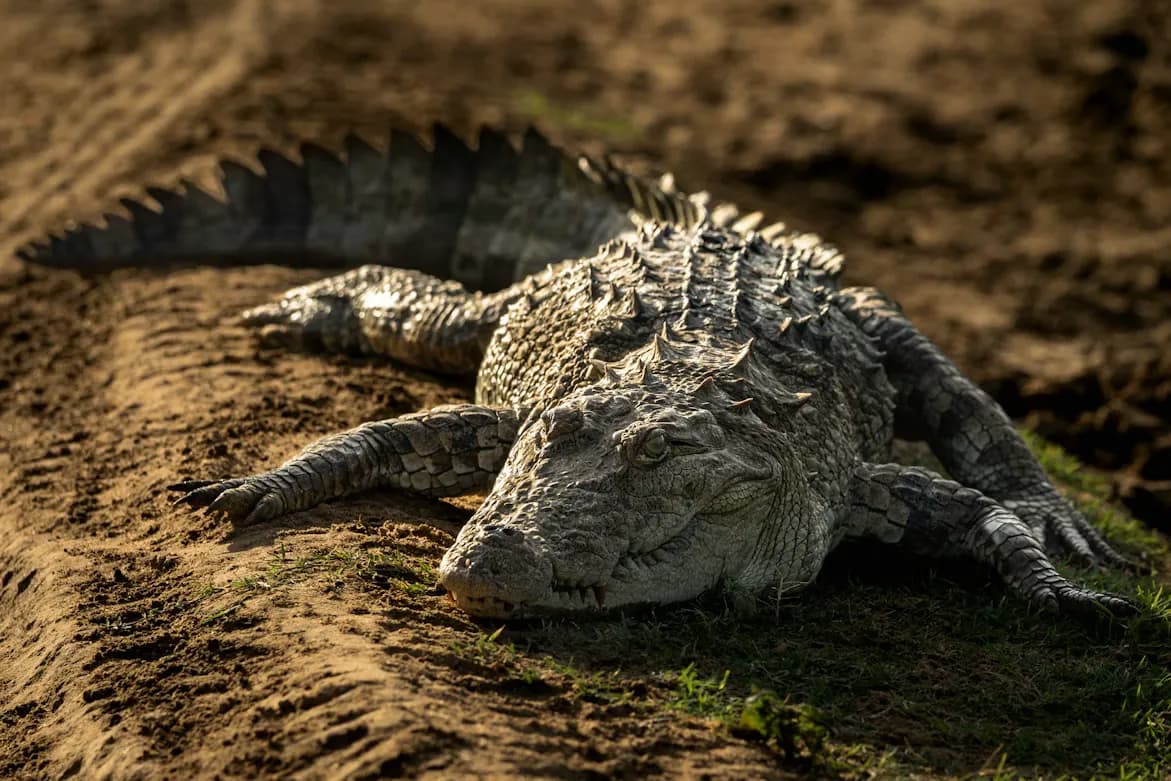
Crocodiles in Sri Lanka
Mugger crocodile and Saltwater crocodileUp to 4-5 meters

Crocodiles in Sri Lanka

Sri Lanka is home to two species of crocodile that inhabit a diverse range of aquatic environments across the island, from mangrove-lined river estuaries to freshwater reservoirs deep in national parks. The mugger crocodile (Crocodylus palustris), also known as the marsh crocodile, is the more common of the two species and can be found in rivers, lakes, and irrigation tanks throughout the lowlands. The saltwater crocodile (Crocodylus porosus), the world's largest living reptile, is less common but populations are found in estuaries and mangrove swamps along the southern and eastern coasts.

The Bentota River in the southwestern coast is one of the most popular and accessible locations for crocodile watching, where boat safaris navigate through mangrove channels that are home to large mugger crocodiles basking on the riverbanks. These cruises offer reliable sightings alongside a rich variety of waterbirds, monitor lizards, and occasionally otters. Within the national parks, Yala and Bundala both harbor healthy crocodile populations, with mugger crocodiles frequently spotted at waterholes alongside elephants, buffalo, and wading birds, creating memorable multi-species viewing opportunities.

Crocodiles are among the oldest reptilian lineages on the planet, having survived relatively unchanged for over 80 million years. Observing these prehistoric predators in Sri Lanka's wetlands provides a tangible connection to the island's ancient natural heritage. While they demand respect and caution, crocodile encounters on guided boat safaris and national park game drives are safe, thrilling, and educational experiences that add a compelling reptilian dimension to any Sri Lankan wildlife itinerary.
Where to See

Bentota River

high

One of the most accessible crocodile watching spots. Boat safaris along the mangrove-lined river offer reliable mugger crocodile sightings alongside diverse birdlife and monitor lizards.

lagoon

Yala National Park

moderate

Mugger crocodiles are regularly seen at waterholes and river crossings within Yala. They often bask alongside visiting elephants and water buffalo.

national park

Bundala National Park

moderate

The lagoons and wetlands of Bundala support a healthy mugger crocodile population. Sightings are common during the dry season when water levels drop.

national park

Madu River (Balapitiya)

moderate

The Madu Ganga estuary harbors both mugger and occasional saltwater crocodiles in its extensive mangrove system. River safaris are popular here.

lagoon

Nilwala River (Matara)

moderate

The Nilwala River in the south is known to harbor saltwater crocodiles in its lower estuarine reaches, particularly near mangrove areas.

lagoon

Activities & Experiences

Bentota River Boat Safari

LKR 3,000 - 6,000 per person (approximately $10-20)

A 1.5-2 hour guided boat cruise through the mangrove channels of the Bentota River, spotting crocodiles, water monitors, kingfishers, and other wetland wildlife.

Madu River Mangrove Safari

LKR 2,500 - 5,000 per person

Explore the extensive Madu Ganga estuary by boat, visiting mangrove islands, a Buddhist temple, and spotting crocodiles in their natural swamp habitat.

Yala Waterhole Watch

Included in Yala safari ($50 - $120 per person)

During game drives in Yala, spend time stationed at key waterholes where mugger crocodiles bask alongside elephants, deer, and birds in a classic safari scene.

Bundala Lagoon Safari

$35 - $70 per person

A specialized wetland safari through Bundala's lagoon system, focusing on crocodiles, flamingos, and migratory waterbirds in the UNESCO-listed Ramsar wetland.

Crocodile Photography Tour

$50 - $100 per person

A dedicated photography excursion to Bentota or Bundala focusing on reptile photography techniques, with expert guidance on capturing crocodile behavior.

Viewing Tips

  • Crocodiles bask most visibly in late morning when they emerge from the water to warm up on muddy banks and rocks.
  • On river safaris, ask your boatman to cut the engine and drift quietly past basking crocodiles for closer, undisturbed views.
  • Scan the water surface for the distinctive eyes and nostrils of partially submerged crocodiles. They are masters of camouflage.
  • At national park waterholes, patient observation often reveals crocodiles that were initially invisible in the murky water.
  • The dry season concentrates crocodiles around remaining water sources, significantly improving sighting rates.

Photography Tips

  • A telephoto lens of 200-400mm is ideal for capturing crocodile detail from a safe distance on the boat.
  • Polarizing filters help cut through water glare to photograph partially submerged crocodiles.
  • The jaw-open basking pose (thermoregulation) creates dramatic portraits. Wait patiently for this behavior.

Frequently Asked Questions

What species of crocodiles are found in Sri Lanka?

Sri Lanka has two crocodile species: the mugger crocodile (Crocodylus palustris), which is widespread in freshwater habitats, and the saltwater crocodile (Crocodylus porosus), found in smaller numbers in coastal estuaries and mangrove swamps.

Where is the best place to see crocodiles in Sri Lanka?

The Bentota River offers the most accessible and reliable crocodile watching via guided boat safaris. Within national parks, Yala and Bundala provide sightings at waterholes during game drives.

Are crocodiles dangerous in Sri Lanka?

Yes, both species are potentially dangerous to humans. Mugger crocodile attacks are occasionally reported near villages, and saltwater crocodiles are even more dangerous. Always exercise caution near waterways and never swim where crocodiles are present.

How big do crocodiles get in Sri Lanka?

Mugger crocodiles in Sri Lanka typically reach 3-4 meters, with some individuals exceeding 5 meters. Saltwater crocodiles are larger, with Sri Lankan specimens occasionally reaching 4-5 meters, though specimens exceeding 6 meters are rare on the island.

How much does a crocodile boat safari cost?

River boat safaris at Bentota or Madu River cost approximately LKR 2,500-6,000 ($8-20) per person. National park safaris that include crocodile viewing cost $35-70 per person. Dedicated photography tours run $80-150 per person.

Quick Facts

SpeciesMugger crocodile and Saltwater crocodile
Mugger SizeUp to 4-5 meters
Saltwater SizeUp to 6+ meters (rare in Sri Lanka)
Best LocationBentota River
HabitatRivers, lagoons, reservoirs, mangroves
Age of Species80+ million years
Conservationvulnerable

Best Time to Visit

FebruaryMarchApril

The dry season from February to April provides the best crocodile viewing conditions. Lower water levels concentrate crocodiles in remaining pools and rivers, and increased basking activity makes them more visible on riverbanks.

Best Time of Day

Late morning (9:00 AM - 12:00 PM) when crocodiles bask on riverbanks to regulate body temperature. They are also active at dawn and dusk when feeding.

Tour Costs

Budget$10 - $20 per person (river boat safari at Bentota)
Standard$35 - $70 per person (national park safari including crocodile viewing)
Premium$80 - $150 per person (private photography-focused crocodile tour)

Safety Info

  • Never swim in rivers, lagoons, or reservoirs where crocodiles are present. Both mugger and saltwater crocodiles can be lethal.
  • On river safaris, keep your hands and arms inside the boat at all times. Do not trail fingers in the water.
  • Maintain a safe distance from basking crocodiles on riverbanks. They can move with surprising speed over short distances.
  • Be aware that saltwater crocodiles may be present in coastal estuaries and mangrove areas even where they are not commonly reported.
  • Follow all safety instructions from your boat operator and never provoke or feed crocodiles.

Getting There

From Colombo

Bentota is approximately 65 km from Colombo (1-1.5 hours via the Southern Expressway). Balapitiya (Madu River) is about 80 km south (1.5-2 hours). Yala and Bundala in the southeast are 280-300 km away (5-6 hours).

Top Location

Bentota River

Directions

Bentota is on the southwestern coast, about 65 km south of Colombo. Madu River is at Balapitiya, about 80 km south of Colombo. Yala and Bundala are in the southeast, about 280-300 km from Colombo.

Where to Stay

Centara Ceysands Resort Bentota
luxury$120 - $250 per night
Bentota River Edge Inn
mid range$40 - $80 per night
Bentota Budget Guest House
budget$15 - $30 per night

Explore More Wildlife