Blue Whales in Sri Lanka
Up to 30 metersOver 150 tonnes

Blue Whales in Sri Lanka

Sri Lanka is one of the few places on Earth where you can reliably encounter the blue whale (Balaenoptera musculus), the largest animal ever to have lived on this planet. These magnificent creatures, which can reach lengths of up to 30 meters and weigh over 150 tonnes, pass through the deep waters of the continental shelf just a few kilometers off Sri Lanka's southern and eastern coasts during their annual migrations. The convergence of nutrient-rich currents from the Indian Ocean creates an abundance of krill that draws blue whales remarkably close to shore, making Sri Lanka one of the most accessible blue whale destinations in the world.

Mirissa on the southern coast is the primary departure point for blue whale watching expeditions from November through April. Boats typically travel 10 to 20 kilometers offshore to reach the deep waters where blue whales feed, and the journey takes just 1 to 2 hours. During peak season, the success rate for spotting blue whales can exceed 80 percent, with sperm whales, Bryde's whales, and large pods of dolphins frequently seen as a bonus. From May to October, the action shifts to the northeastern coast around Trincomalee, where blue whales and sperm whales are sighted in the waters of the Bay of Bengal.

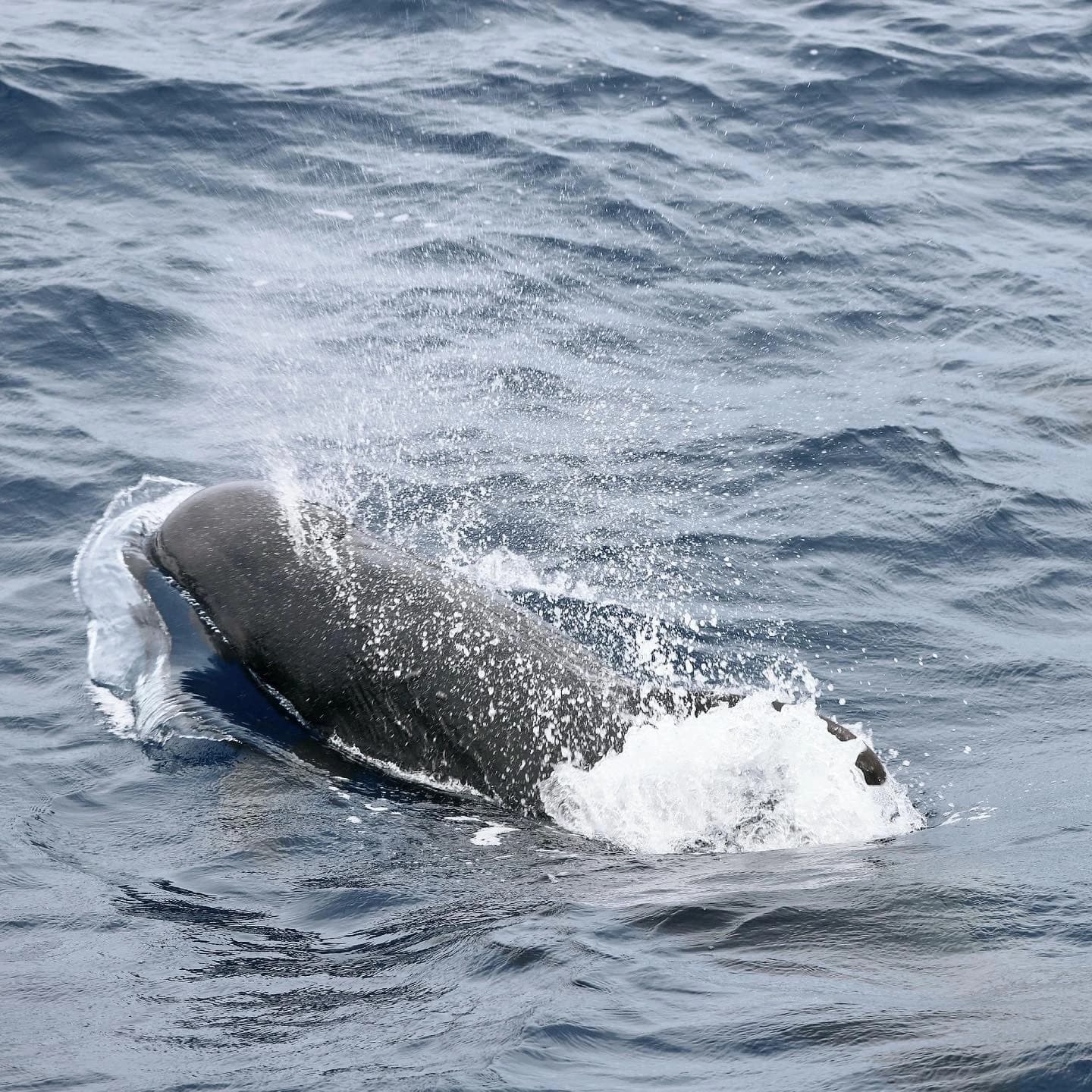
Witnessing a blue whale surface and exhale a towering spout of mist before arching its immense back and diving into the deep is a humbling, once-in-a-lifetime experience. Sri Lanka's relatively short boat journeys, high success rates, and the possibility of seeing multiple whale species in a single trip make it one of the premier cetacean watching destinations on the planet.
Where to See

Mirissa

very high

The top whale watching departure point from November to April. Blue whales are regularly spotted 10-20 km offshore, with 80%+ success rates during peak season (January-March).

coast

Trincomalee

high

The best location for whale watching from May to October on the northeast coast. Blue whales and sperm whales frequent the deep waters of the Bay of Bengal off Trincomalee.

coast

Dondra Head

high

The southernmost point of Sri Lanka where whales pass close to the continental shelf edge. Some operators run trips from nearby Matara.

coast

Activities & Experiences

Blue Whale Watching Tour from Mirissa

$40 - $80 per person (standard), $100 - $200 (premium small group)

A 4-6 hour boat excursion departing from Mirissa Harbour around 6:30 AM. Head offshore to the continental shelf edge where blue whales feed on krill. Most tours include breakfast and water.

Trincomalee Whale Watching

$50 - $100 per person

Whale watching from the northeast coast during the May-October season. Fewer operators and smaller crowds than Mirissa, with sightings of blue whales, sperm whales, and dolphins.

Combined Whale and Dolphin Tour

$60 - $120 per person

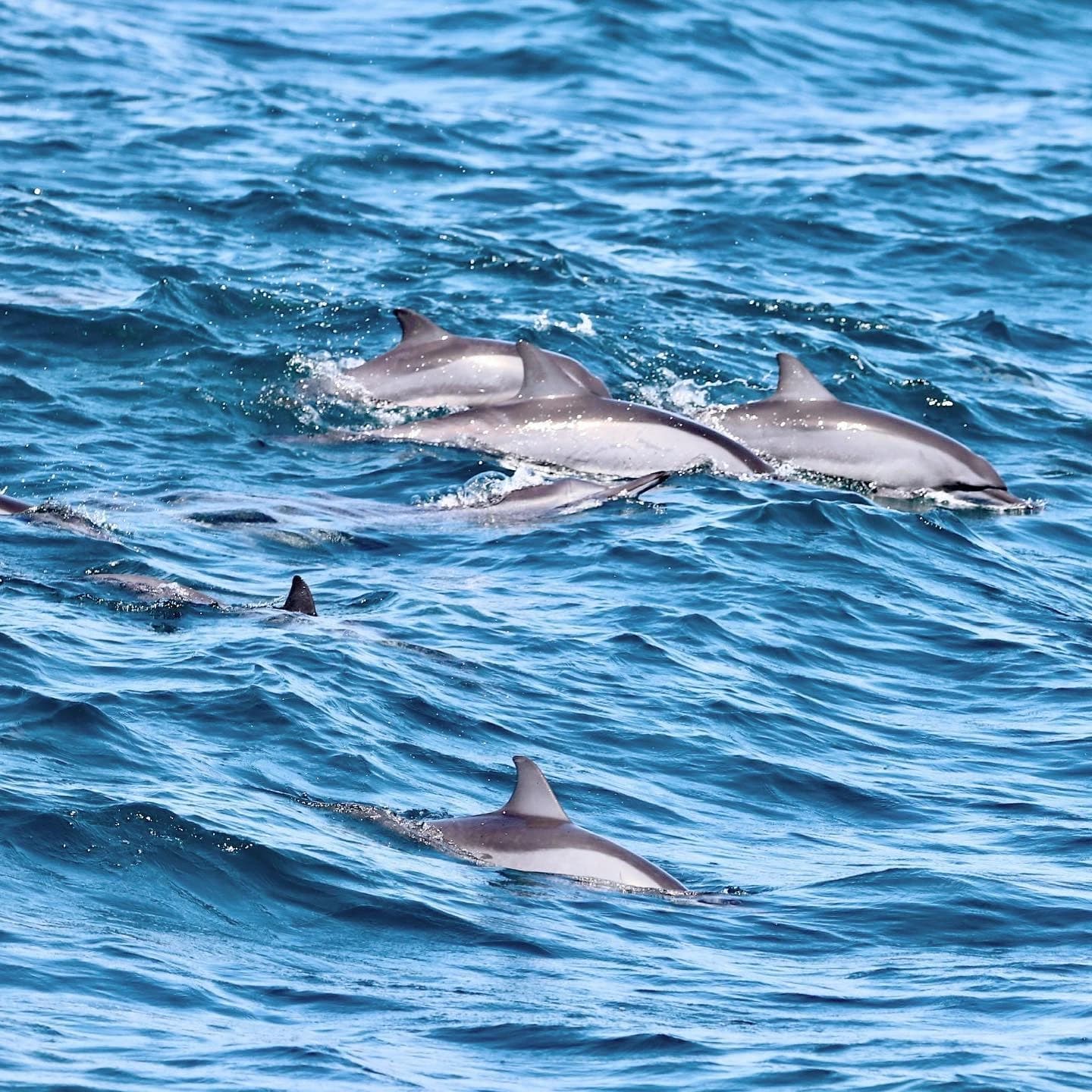
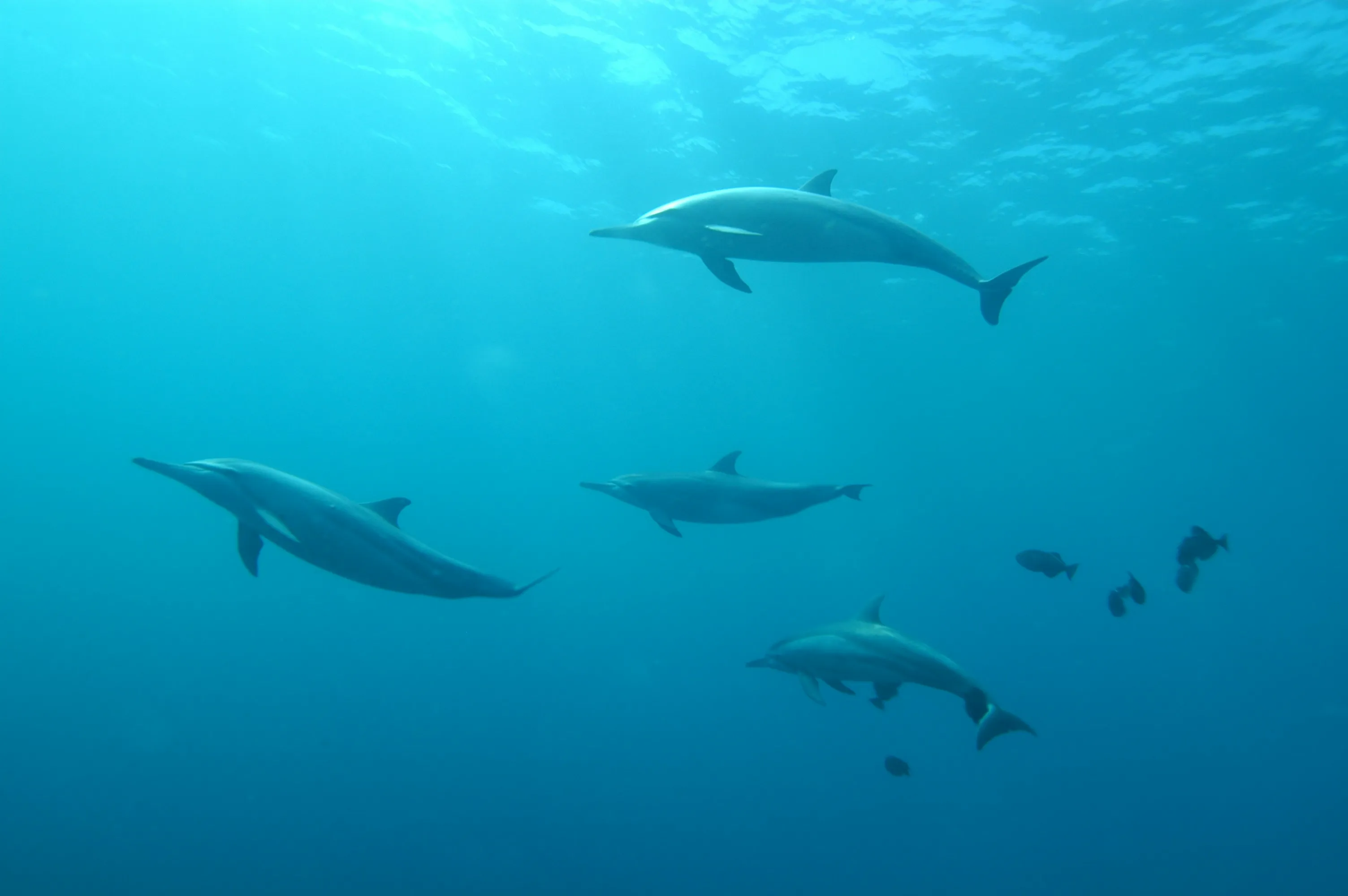
Extended tours that visit both whale feeding areas and dolphin pods. Spinner dolphins often form super-pods of hundreds of individuals and perform acrobatic displays.

Sunset Whale Watching Cruise

$50 - $100 per person

Some operators offer afternoon departures for a different perspective on whale watching, with the added bonus of a spectacular Indian Ocean sunset.

Multi-Day Marine Wildlife Package

$200 - $400 per person

A comprehensive two to three day package covering whale watching, dolphin encounters, and coral reef snorkeling along the southern coast.

Viewing Tips

  • Book with a reputable operator that follows responsible whale watching guidelines, including maintaining safe distances and limiting approach time.
  • Take anti-seasickness medication 30-60 minutes before departure. The open ocean can be rough, especially on the return journey.
  • Sit at the front or sides of the boat for the best viewing angles and least engine noise.
  • Look for the tall, vertical spout of the blue whale, which can reach 9 meters high and is visible from several kilometers away.
  • Be patient during the search phase. It can take 1-2 hours to reach whale feeding areas, and whales surface at unpredictable intervals.
  • The peak months of January through March offer the highest success rates, with calmer seas and concentrated whale activity.

Photography Tips

  • A 70-200mm or 100-400mm lens is ideal for whale photography. Longer lenses are difficult to stabilize on a rocking boat.
  • Use a fast shutter speed (1/1000s or higher) to freeze the motion of both the boat and the whale. Increase ISO as needed.
  • Watch for the spout first, then anticipate the arch of the back and the iconic tail fluke display as the whale dives.
  • Waterproof camera bags or rain covers are essential. Salt spray can damage equipment quickly on open ocean boats.

Frequently Asked Questions

When is the best time to see blue whales in Sri Lanka?

The best time for blue whale watching from Mirissa is January to March, when success rates exceed 80%. The season runs from November to April on the south coast. From May to October, Trincomalee on the northeast coast offers the alternative season.

How far offshore do you go to see blue whales?

Whale watching boats from Mirissa typically travel 10-20 km offshore to reach the edge of the continental shelf, where deep waters create ideal feeding conditions. The journey takes 1-2 hours each way.

How much does whale watching cost in Sri Lanka?

Standard whale watching tours from Mirissa cost $35-55 per person on large shared boats. Better-quality operators with smaller boats and responsible practices charge $60-100 per person. Premium private charters with marine biologist guides cost $150-250.

What other whales can you see in Sri Lanka?

In addition to blue whales, you may encounter sperm whales, Bryde's whales, fin whales, and occasionally humpback whales. Spinner dolphins, bottlenose dolphins, and common dolphins are also regularly spotted during whale watching trips.

Is whale watching safe in Sri Lanka?

Yes, whale watching is generally safe when done with reputable operators who provide life jackets, follow safety protocols, and maintain proper boat maintenance. The main discomfort is seasickness, which can be managed with medication taken before departure.

Do you get seasick on whale watching trips?

Many passengers experience some degree of motion sickness, especially on the open ocean. Take seasickness medication (such as Dramamine) 30-60 minutes before departure. Sitting in the center of the boat and focusing on the horizon also helps.

Quick Facts

Maximum LengthUp to 30 meters
Maximum WeightOver 150 tonnes
Conservation StatusEndangered (IUCN)
Best LocationMirissa (Nov-Apr)
Sighting Success Rate80%+ during peak season
Distance Offshore10-20 km from Mirissa
Dive Duration10-20 minutes per dive
Scientific NameBalaenoptera musculus
Conservationendangered

Best Time to Visit

JanuaryFebruaryMarch

January through March is the absolute peak for blue whale watching from Mirissa, with the highest sighting success rates, calmest seas, and most concentrated whale activity. November and April also offer good conditions but with slightly lower success rates.

Best Time of Day

Early morning departures (6:00-7:00 AM) are standard for whale watching. Whales tend to be most active in the morning hours, and calmer seas improve both comfort and sighting conditions.

Tour Costs

Budget$35 - $55 per person (large shared boat, standard operators)
Standard$60 - $100 per person (smaller boat, better guides, responsible operator)
Premium$150 - $250 per person (private charter, marine biologist guide, premium boat)

Safety Info

  • Always wear the provided life jacket for the entire duration of the boat trip, regardless of sea conditions.
  • Choose operators that provide proper safety equipment including life jackets, first aid kits, and radio communication.
  • Take seasickness medication before departure. The open ocean can be unpredictable, and waves can build during the return journey.
  • Protect yourself from the sun with high-SPF sunscreen, a hat, and sunglasses. Ocean glare intensifies UV exposure significantly.
  • Do not lean over the boat edges or stand on the bow when approaching whales. Follow all crew instructions for safe positioning.
  • If you are prone to motion sickness, choose a larger, more stable vessel rather than a smaller speedboat.

Getting There

From Colombo

Mirissa is approximately 150 km south of Colombo (3-4 hours via the Southern Expressway). Trincomalee is about 260 km northeast of Colombo (5-6 hours by road). Pre-arranged transfers and domestic flights are available to both destinations.

Top Location

Mirissa (November - April)

Directions

Mirissa is on the southern coast of Sri Lanka, 150 km from Colombo. Most whale watching operators are based at Mirissa Harbour. Trincomalee is on the northeast coast, 260 km from Colombo.

Where to Stay

Paradise Beach Club Mirissa
mid range$60 - $120 per night
Mirissa Budget Guest House
budget$15 - $35 per night
Jungle Beach by Uga Escapes
luxury$200 - $400 per night
Trincomalee Beach Guesthouse
budget$20 - $40 per night

Explore More Wildlife