Sea Turtles in Sri Lanka
5 of 7 global speciesGreen, Hawksbill, Olive Ridley, Loggerhead, Leatherback

Sea Turtles in Sri Lanka

Sri Lanka's coastline is one of the most important sea turtle habitats in the Indian Ocean, with five of the world's seven sea turtle species regularly nesting on its sandy beaches. Green turtles, hawksbill turtles, olive ridley turtles, loggerhead turtles, and the enormous leatherback turtle all come ashore on Sri Lankan beaches to lay their eggs, making the island a globally significant site for sea turtle conservation. The warm tropical waters, abundant seagrass beds, and relatively undeveloped stretches of coast in the south and east provide ideal conditions for these ancient mariners.

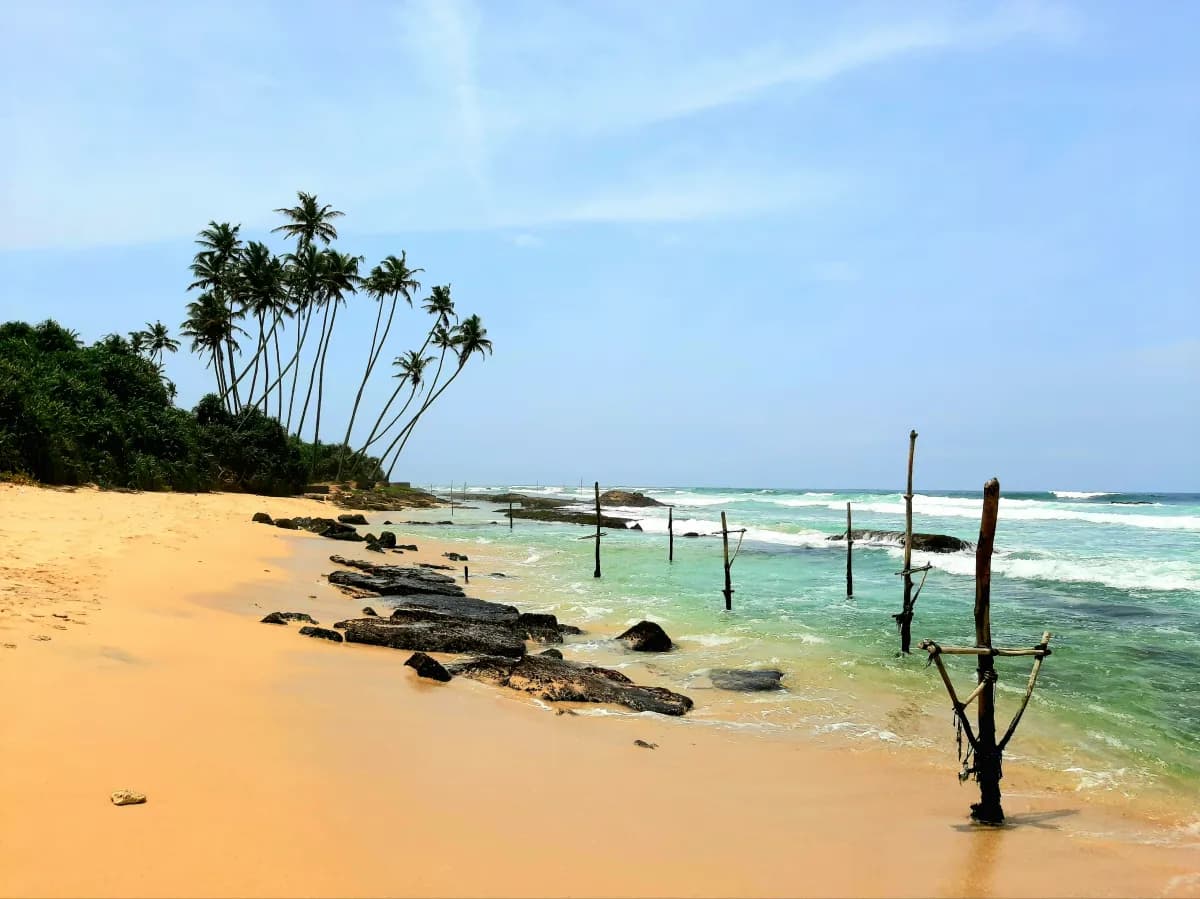
Rekawa Beach on the southern coast is widely regarded as the premier turtle nesting site in Sri Lanka, where a community-run conservation program allows visitors to observe nesting turtles under the guidance of trained rangers on most nights between January and July. The Turtle Conservation Project at Rekawa has been instrumental in protecting nesting females and their eggs from poaching, achieving remarkable success over the past two decades. Kosgoda on the southwestern coast is another major hub, home to several turtle hatcheries that rescue eggs from at-risk nests, incubate them in protected tanks, and release hatchlings back into the ocean.

Beyond the nesting beaches, Sri Lanka offers excellent opportunities to encounter sea turtles in the water. The shallow reefs off Hikkaduwa, Unawatuna, and Pigeon Island near Trincomalee are home to resident populations of green and hawksbill turtles that have become habituated to snorkelers and divers, often allowing remarkably close encounters. Whether you witness the primordial spectacle of a mother turtle dragging herself up the beach under starlight or swim alongside a graceful green turtle gliding over coral, Sri Lanka's sea turtle experiences rank among the most magical wildlife encounters the island offers.
Where to See

Rekawa Beach

very high

Sri Lanka's premier turtle nesting beach. The community-run Turtle Conservation Project offers guided nightly watches from January to July with very high success rates for observing nesting green and olive ridley turtles.

coast

Kosgoda

high

Home to several turtle hatcheries and conservation centers where visitors can see hatchlings and learn about conservation. Nesting also occurs on the beach during season.

coast

Hikkaduwa

high

The coral reef sanctuary at Hikkaduwa is home to resident green and hawksbill turtles that can be seen while snorkeling or diving. Turtles are often spotted just meters from shore.

coast

Pigeon Island (Trincomalee)

high

A marine national park off Trincomalee's coast where hawksbill turtles feed on the healthy coral reefs. Excellent snorkeling site for close turtle encounters.

marine

Unawatuna

moderate

Juvenile green turtles frequent the sheltered bay at Unawatuna and the nearby Rumassala reef. Regular sightings while snorkeling in the protected waters.

coast

Activities & Experiences

Rekawa Turtle Watch

LKR 1,000 - 2,000 per person (approximately $3-7)

A guided night observation of nesting sea turtles at Rekawa Beach, led by trained conservation rangers. Visitors sit quietly on the beach and observe the full nesting process under red-light conditions.

Kosgoda Hatchery Visit

LKR 500 - 1,000 (approximately $2-3)

Tour one of Kosgoda's turtle hatcheries to learn about sea turtle conservation, see rescued eggs incubating, and observe baby turtles in holding tanks before their ocean release.

Hikkaduwa Turtle Snorkeling

LKR 1,500 - 3,000 for equipment rental

Snorkel in the Hikkaduwa coral sanctuary where resident green and hawksbill turtles graze on seagrass and rest on the reef. Turtles are habituated to snorkelers and allow close observation.

Pigeon Island Dive with Turtles

$30 - $60 per person (snorkel), $60 - $100 (dive)

A guided dive or snorkel trip to Pigeon Island National Park near Trincomalee, where hawksbill turtles are commonly spotted among pristine coral formations.

Hatchling Release Experience

LKR 500 - 1,500 (approximately $2-5)

Participate in a baby turtle release at an ethical hatchery along the south coast. Watch tiny hatchlings make their first journey across the sand and into the ocean at sunset.

Glass Bottom Boat Turtle Tour

LKR 2,000 - 4,000 per person

View sea turtles from a glass-bottom boat at Hikkaduwa without getting in the water. A family-friendly alternative to snorkeling that still provides excellent turtle viewing.

Viewing Tips

  • At Rekawa, arrive by 7:30 PM and be prepared for a wait of up to several hours. Bring a light jacket as coastal evenings can be cool.
  • During nesting observation, never use flash photography or white-light torches. Red-light headlamps are used by rangers and visitors must follow strict light protocols.
  • For snorkeling with turtles, do not chase or touch the animals. Maintain a respectful distance and let them approach you naturally.
  • Visit Hikkaduwa early in the morning for the best water clarity and most active turtle feeding behavior.
  • The nesting season peaks between February and April, when the highest number of turtles come ashore each night.

Photography Tips

  • For nesting scenes, use a camera with excellent high-ISO performance and shoot at ISO 3200-6400 with ambient moonlight. No flash is permitted.
  • Underwater housing or a waterproof action camera is essential for snorkeling photography with turtles.
  • When photographing turtles underwater, approach slowly from the side rather than head-on, and never block their path to the surface.

Frequently Asked Questions

What species of sea turtles are found in Sri Lanka?

Five of the world's seven sea turtle species nest on Sri Lankan beaches: the green turtle, hawksbill turtle, olive ridley turtle, loggerhead turtle, and leatherback turtle. Green and olive ridley turtles are the most commonly observed nesters.

Where is the best place to see turtle nesting in Sri Lanka?

Rekawa Beach near Tangalle is the premier nesting site, with a community-run conservation program offering guided nightly watches from January to July. Success rates for observing nesting turtles are very high during peak season (February-April).

Can you swim with sea turtles in Sri Lanka?

Yes, Hikkaduwa coral sanctuary on the south coast and Pigeon Island near Trincomalee are excellent spots to snorkel alongside resident green and hawksbill turtles. Always maintain a respectful distance and never chase or touch the animals.

Are Sri Lanka's turtle hatcheries ethical?

Quality varies significantly. The Turtle Conservation Project at Rekawa is considered a model of ethical turtle conservation. Some commercial hatcheries have been criticized for keeping turtles too long and conducting daytime releases. Choose hatcheries that minimize human contact and release hatchlings at dusk.

When is the turtle nesting season in Sri Lanka?

The main nesting season runs from January to July, with peak nesting activity between February and April. Different species nest at slightly different times, but visiting during the peak months maximizes your chances of witnessing nesting.

How much does a turtle watching experience cost?

Nesting observation at Rekawa costs just LKR 1,000-2,000 ($3-7) per person. Hatchery visits are LKR 500-1,000 ($2-3). Guided snorkeling with turtles costs $30-60 per person, while dive trips to Pigeon Island range from $60-100.

Quick Facts

Species in Sri Lanka5 of 7 global species
Nesting SpeciesGreen, Hawksbill, Olive Ridley, Loggerhead, Leatherback
Best Nesting BeachRekawa Beach
Nesting SeasonJanuary - July (peak Feb-Apr)
Eggs Per Nest80-120 eggs typically
Incubation Period45-60 days
Survival Rate~1 in 1,000 reach adulthood
Conservationendangered

Best Time to Visit

FebruaryMarchApril

The peak nesting season from February to April offers the highest chance of observing nesting turtles at Rekawa Beach. For snorkeling with turtles at Hikkaduwa and Pigeon Island, the calmer seas from December to April provide the best underwater visibility.

Best Time of Day

Nesting observation is strictly nocturnal, with turtles typically coming ashore between 8:00 PM and 2:00 AM. For snorkeling with turtles, morning hours (8:00-11:00 AM) offer the best visibility and calmest conditions.

Tour Costs

Budget$3 - $10 per person (hatchery visit or nesting watch)
Standard$30 - $60 per person (guided snorkeling with turtles)
Premium$80 - $150 per person (private dive trip to Pigeon Island)

Safety Info

  • Never touch or ride sea turtles, whether on land or in water. This is illegal in Sri Lanka and causes extreme stress to the animals.
  • During nesting observation, remain at the distance specified by the ranger. Getting too close can cause the female to abandon her nest.
  • Do not use flash photography near nesting turtles. Artificial light disorients both adult females and hatchlings, which navigate by moonlight.
  • When snorkeling with turtles, avoid touching coral reefs or standing on the seabed. Both damage the turtle's habitat and are punishable by fines.
  • Choose ethical hatcheries that release turtles during evening hours (not daytime tourist shows) and do not keep turtles in tanks longer than necessary.

Getting There

From Colombo

Rekawa is approximately 190 km from Colombo (4-5 hours via the Southern Expressway to Tangalle). Kosgoda is about 85 km south of Colombo (2 hours via the coastal road or expressway). Hikkaduwa is 115 km from Colombo (2-3 hours).

Top Location

Rekawa Beach (for nesting)

Directions

Rekawa Beach is on the southern coast near Tangalle, about 190 km from Colombo. Kosgoda is on the southwestern coast between Bentota and Ambalangoda, about 85 km from Colombo. Hikkaduwa is 115 km south of Colombo.

Where to Stay

Turtle Bay Rekawa
eco lodge$40 - $80 per night
Kosgoda Beach Hotel
mid range$50 - $100 per night
Hikkaduwa Beach Hostel
budget$10 - $25 per night
Anantara Tangalle Resort
luxury$200 - $500 per night

Explore More Wildlife