Dolphins in Sri Lanka
12+ dolphin species in Sri Lankan watersSpinner, Bottlenose, Common dolphins

Dolphins in Sri Lanka

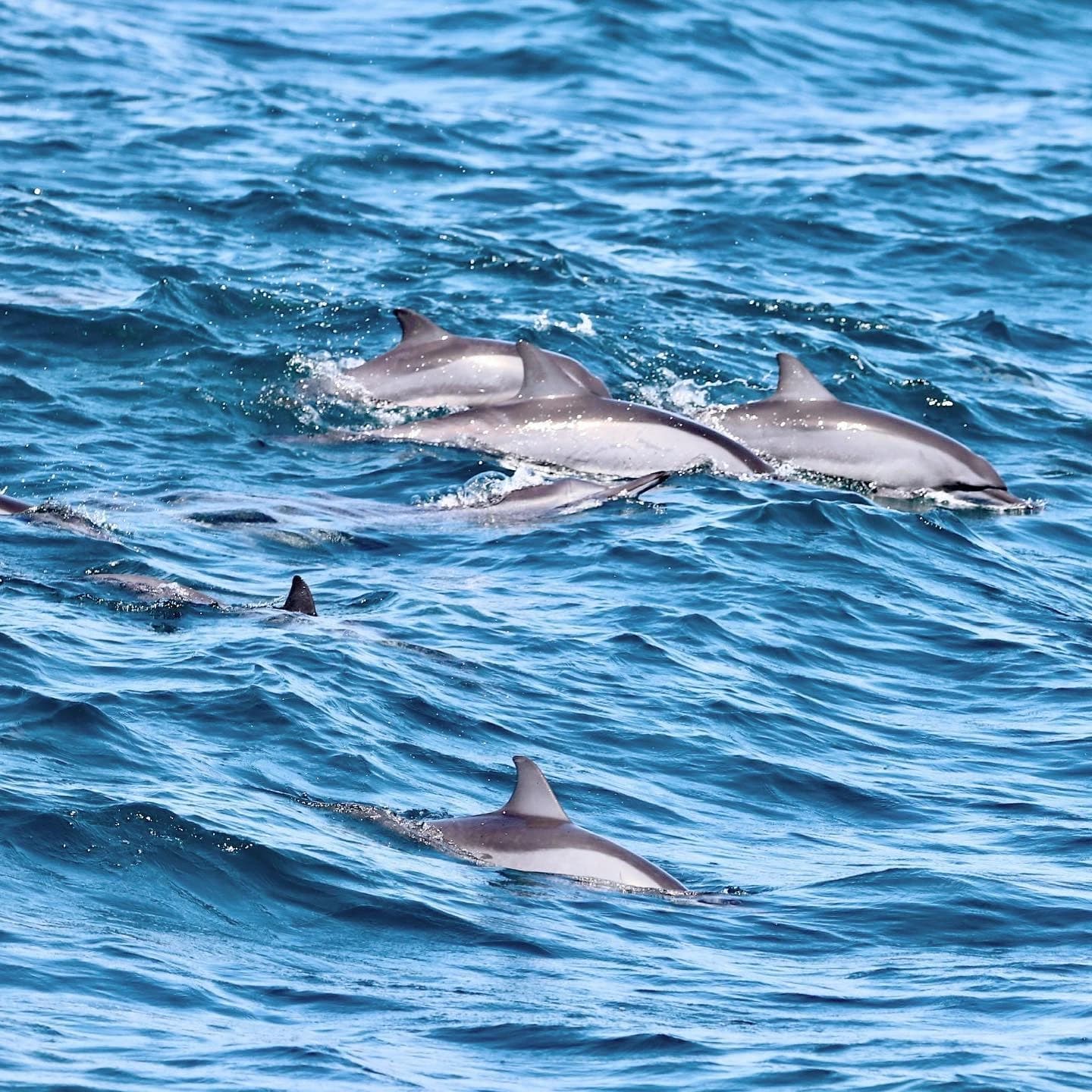
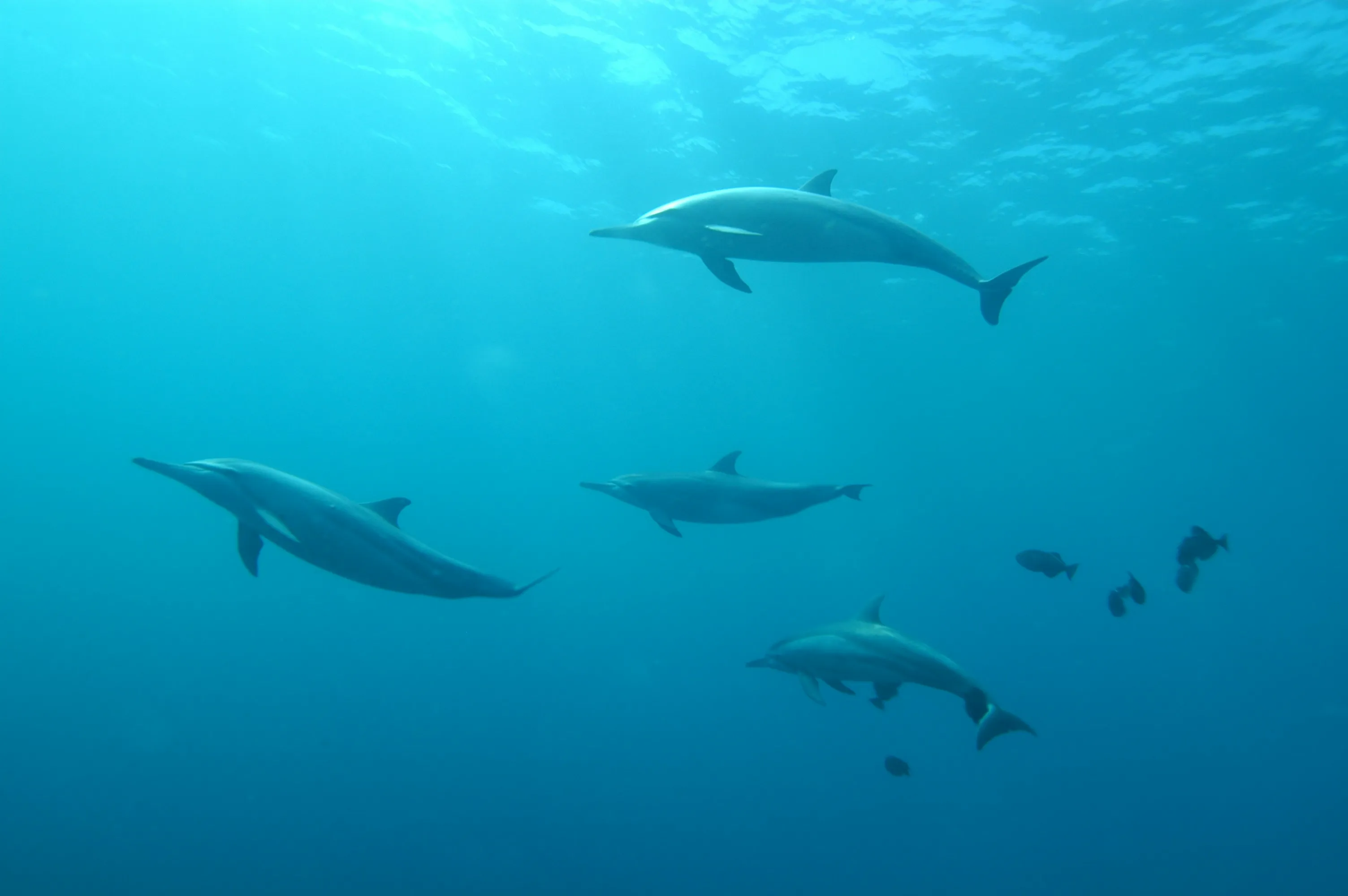
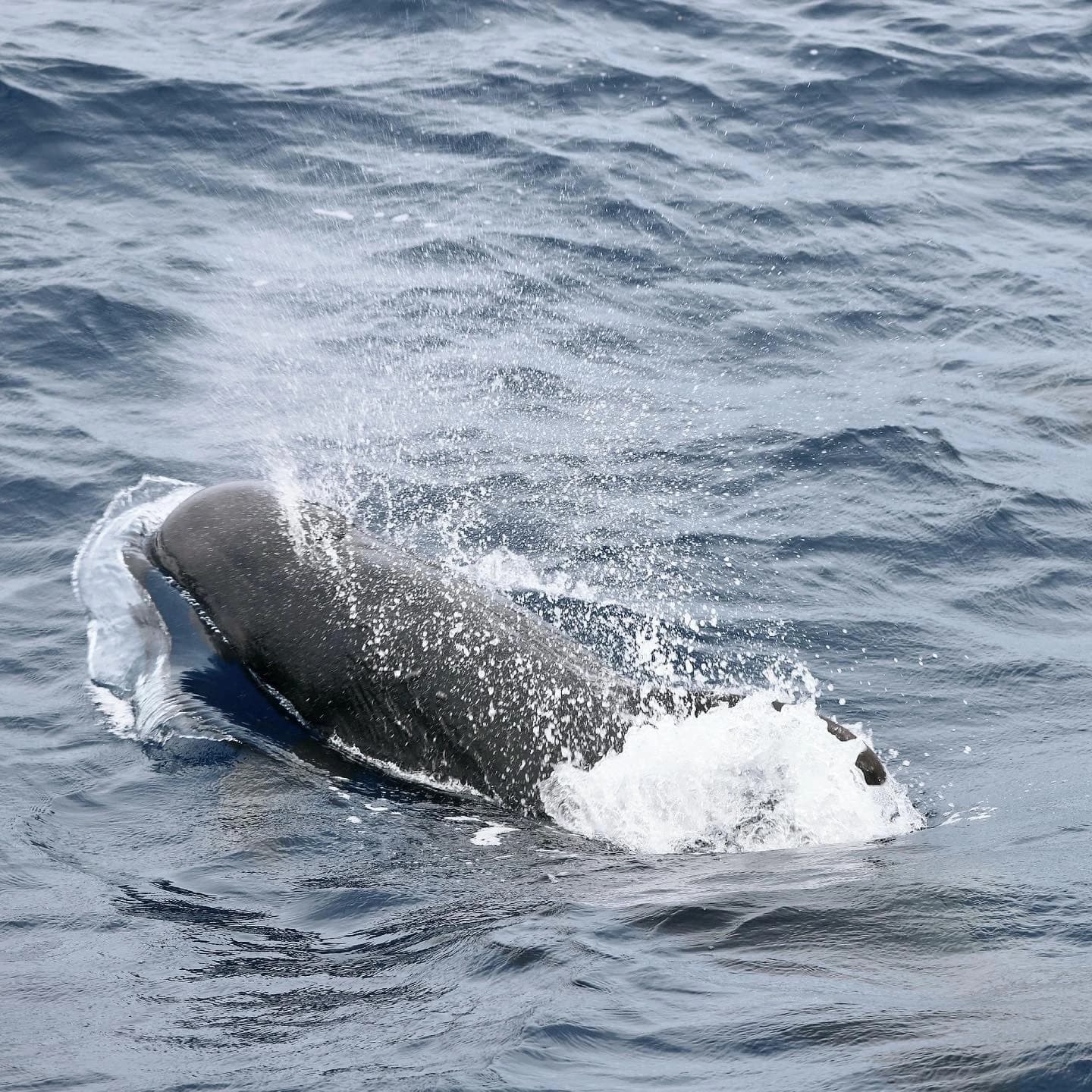
Sri Lanka's tropical waters are home to a spectacular diversity of dolphin species, making the island one of the best destinations in the Indian Ocean for close encounters with these intelligent and playful marine mammals. At least a dozen dolphin species have been recorded in Sri Lankan waters, with spinner dolphins, bottlenose dolphins, and common dolphins being the most frequently observed. The warm currents that sweep past the island's coast carry abundant fish and squid, sustaining large resident and migratory dolphin populations that offer extraordinary viewing opportunities year-round.

Kalpitiya on the northwestern coast has emerged as one of Asia's premier dolphin watching destinations, where massive super-pods of spinner dolphins numbering up to 1,000 individuals gather in the shallow waters of the Bar Reef marine sanctuary. The sight of hundreds of spinner dolphins leaping and twirling in synchronized displays is one of the most thrilling wildlife spectacles Sri Lanka has to offer. Mirissa on the southern coast is equally productive, where dolphin pods are encountered on virtually every whale watching trip, often providing extended close-up viewing as they ride the bow wave of the boat.

Trincomalee on the northeastern coast completes the trio of top dolphin destinations, with bottlenose dolphins and spinner dolphins frequenting the deep waters of the Bay of Bengal from May to October. Whether you join a dedicated dolphin watching excursion in Kalpitiya, spot dolphins as a spectacular bonus on a blue whale trip from Mirissa, or encounter them while diving off the eastern reefs, the exuberance and beauty of Sri Lanka's dolphins create memories that last a lifetime.
Where to See

Kalpitiya

very high

Home to massive super-pods of up to 1,000 spinner dolphins in the Bar Reef marine sanctuary. November to April is peak season, with near-100% sighting success rates.

coast

Mirissa

very high

Dolphins are encountered on almost every whale watching trip from Mirissa. Large pods of spinner and common dolphins frequently ride the bow waves of boats.

coast

Trincomalee

high

Bottlenose and spinner dolphins inhabit the waters off Trincomalee from May to October. They are often spotted during whale watching excursions in the Bay of Bengal.

coast

Dondra Head

high

The deep waters off Sri Lanka's southernmost point attract large dolphin pods that can sometimes be observed from land or during boat trips.

coast

Activities & Experiences

Kalpitiya Spinner Dolphin Safari

$30 - $60 per person

A morning boat excursion from Kalpitiya to witness massive super-pods of spinner dolphins in the Bar Reef area. Expect acrobatic displays, bow riding, and pods numbering in the hundreds.

Mirissa Dolphin and Whale Tour

$40 - $80 per person

Combine blue whale watching with dolphin encounters on a morning boat trip from Mirissa Harbour. Dolphins are spotted on nearly every trip, often in large pods.

Trincomalee Marine Safari

$40 - $80 per person

A dolphin and whale watching excursion from Trincomalee during the northeast monsoon season (May-October). Quieter and less commercial than the south coast.

Kayaking with Dolphins at Kalpitiya

$25 - $50 per person

A unique kayaking experience in the Kalpitiya lagoon where dolphins occasionally enter the shallow waters. A more intimate and eco-friendly way to observe them.

Sunset Dolphin Cruise

$35 - $70 per person

An evening boat trip along the southern or northwestern coast targeting the pre-dusk dolphin activity period, combined with a spectacular ocean sunset.

Viewing Tips

  • At Kalpitiya, the November to March period offers the calmest seas and largest dolphin aggregations around the Bar Reef sanctuary.
  • Choose operators that practice responsible dolphin watching: no chasing, no corralling, and maintaining appropriate distances from the pod.
  • Spinner dolphins are named for their acrobatic spinning leaps. Have your camera ready at all times, as displays happen spontaneously and last only seconds.
  • On whale watching trips from Mirissa, the dolphin encounters often occur during the outward journey or return leg, so stay alert throughout the trip.
  • Calm sea conditions dramatically improve both dolphin sighting rates and the quality of the viewing experience. Check weather forecasts before booking.

Photography Tips

  • Use a fast shutter speed (1/2000s or higher) to freeze the acrobatic spinning leaps of spinner dolphins.
  • A 100-400mm lens offers good versatility for dolphins, which can be close to the boat or hundreds of meters away.
  • Continuous burst mode is essential. Dolphin leaps are unpredictable and last fractions of a second.
  • Include the Sri Lankan coastline or other dolphins in the frame for context and scale in your images.

Frequently Asked Questions

Where is the best place to see dolphins in Sri Lanka?

Kalpitiya on the northwest coast offers the most spectacular dolphin encounters, with super-pods of up to 1,000 spinner dolphins. Mirissa on the south coast provides reliable sightings on whale watching trips. Trincomalee on the northeast coast is best from May to October.

What species of dolphins are found in Sri Lanka?

Over 12 dolphin species have been recorded in Sri Lankan waters. The most commonly seen are spinner dolphins, Indo-Pacific bottlenose dolphins, common dolphins, Risso's dolphins, and striped dolphins.

How much does a dolphin watching tour cost in Sri Lanka?

Dolphin watching tours at Kalpitiya cost $25-60 per person. Combined whale and dolphin trips from Mirissa run $40-80 per person. Premium private charters with marine guides cost $100-180 per person.

Can you swim with dolphins in Sri Lanka?

Swimming with wild dolphins is generally not offered as a commercial activity in Sri Lanka, and it is discouraged by marine conservation groups. The best way to enjoy dolphins is from a boat, where they often approach and ride the bow wave voluntarily.

What is the best time of year for dolphin watching?

December to March offers the best conditions on the south and west coasts (Mirissa and Kalpitiya). From May to October, Trincomalee on the northeast coast takes over. Dolphins can be seen somewhere in Sri Lanka year-round.

Quick Facts

Species Count12+ dolphin species in Sri Lankan waters
Most CommonSpinner, Bottlenose, Common dolphins
Super-Pod SizeUp to 1,000+ spinner dolphins at Kalpitiya
Best LocationKalpitiya (Nov-Apr)
Sighting RateNear 100% at Kalpitiya in season
Spinner Dolphin Size1.5-2.3 meters
Conservationleast concern

Best Time to Visit

DecemberJanuaryFebruaryMarch

December to March offers the best dolphin watching conditions across all locations, with calm seas, warm waters, and peak dolphin aggregations. Kalpitiya is at its best during this period, and Mirissa's whale watching trips consistently encounter large dolphin pods.

Best Time of Day

Early morning (6:00-10:00 AM) is best for dolphin watching tours, when pods are actively feeding and most playful. Spinner dolphins are often most acrobatic in the morning hours.

Tour Costs

Budget$25 - $45 per person (shared boat, standard operator)
Standard$50 - $80 per person (smaller boat, responsible operator)
Premium$100 - $180 per person (private charter, marine guide)

Safety Info

  • Always wear a life jacket during boat trips, regardless of sea conditions or swimming ability.
  • Choose operators whose boats do not chase or harass dolphins. Responsible operators allow dolphins to approach naturally.
  • Protect yourself from sun exposure on open boats. Apply waterproof sunscreen and wear a hat.
  • Never attempt to swim with wild dolphins from a boat unless it is a permitted activity led by a certified guide.
  • If you suffer from seasickness, take medication before departure. Early morning trips typically have calmer seas.

Getting There

From Colombo

Kalpitiya is approximately 170 km from Colombo (3-4 hours by car via Chilaw). Mirissa is 150 km south (3-4 hours via the Southern Expressway). Trincomalee is 260 km northeast (5-6 hours via Dambulla).

Top Location

Kalpitiya (for spinner dolphins)

Directions

Kalpitiya is on the northwestern coast, about 170 km from Colombo. Mirissa is on the southern coast, 150 km from Colombo. Trincomalee is on the northeast coast, 260 km from Colombo.

Where to Stay

Bar Reef Resort Kalpitiya
mid range$60 - $120 per night
Kalpitiya Beach Cabanas
budget$15 - $35 per night
Palagama Beach Resort
eco lodge$80 - $160 per night
Mirissa Beach Guesthouse
budget$15 - $30 per night

Explore More Wildlife