Whale Watching in Sri Lanka Guide
Blue whale, Sperm whale, Bryde's whaleNovember - April (Mirissa)

Whale Watching in Sri Lanka Guide

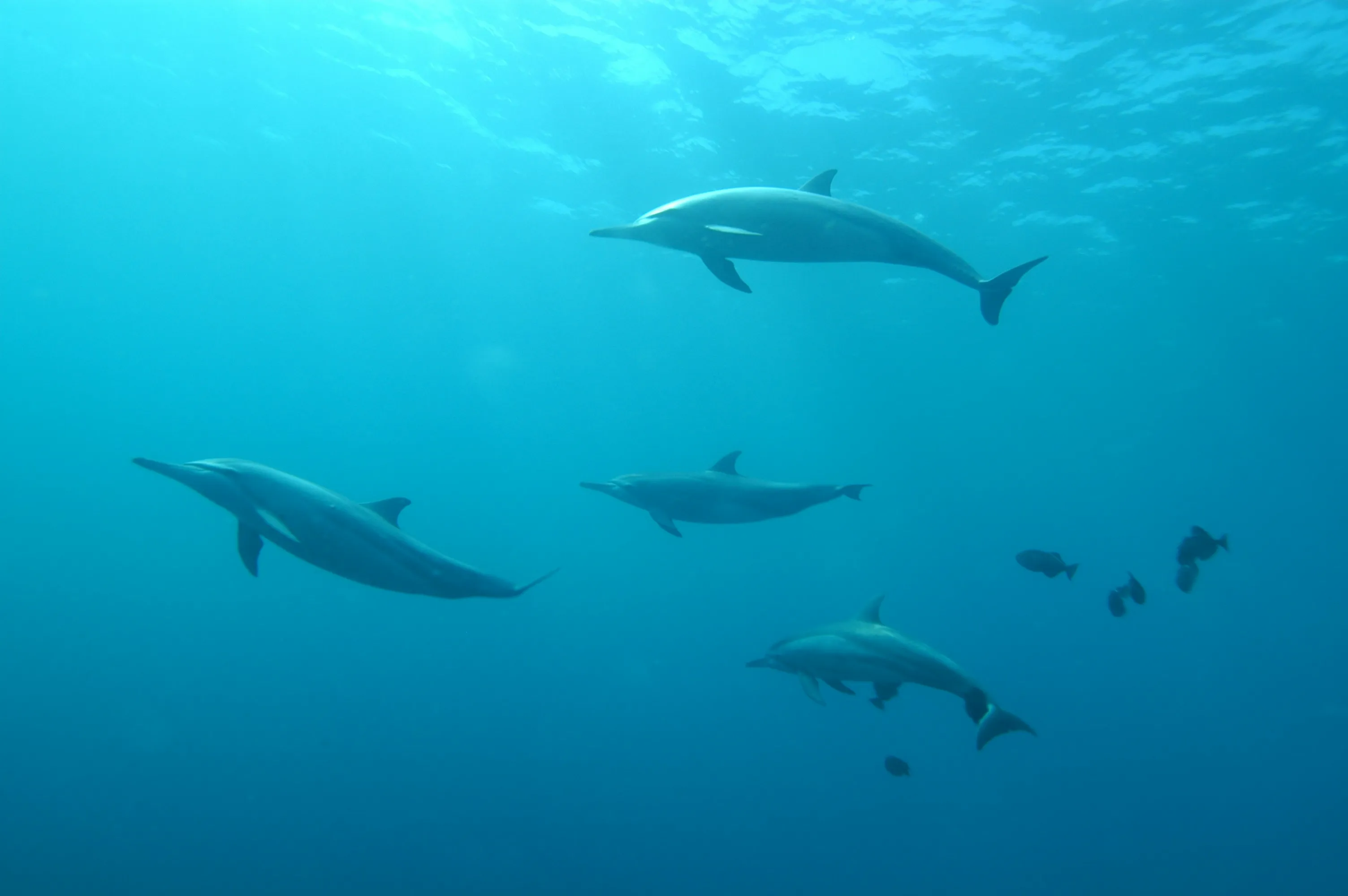
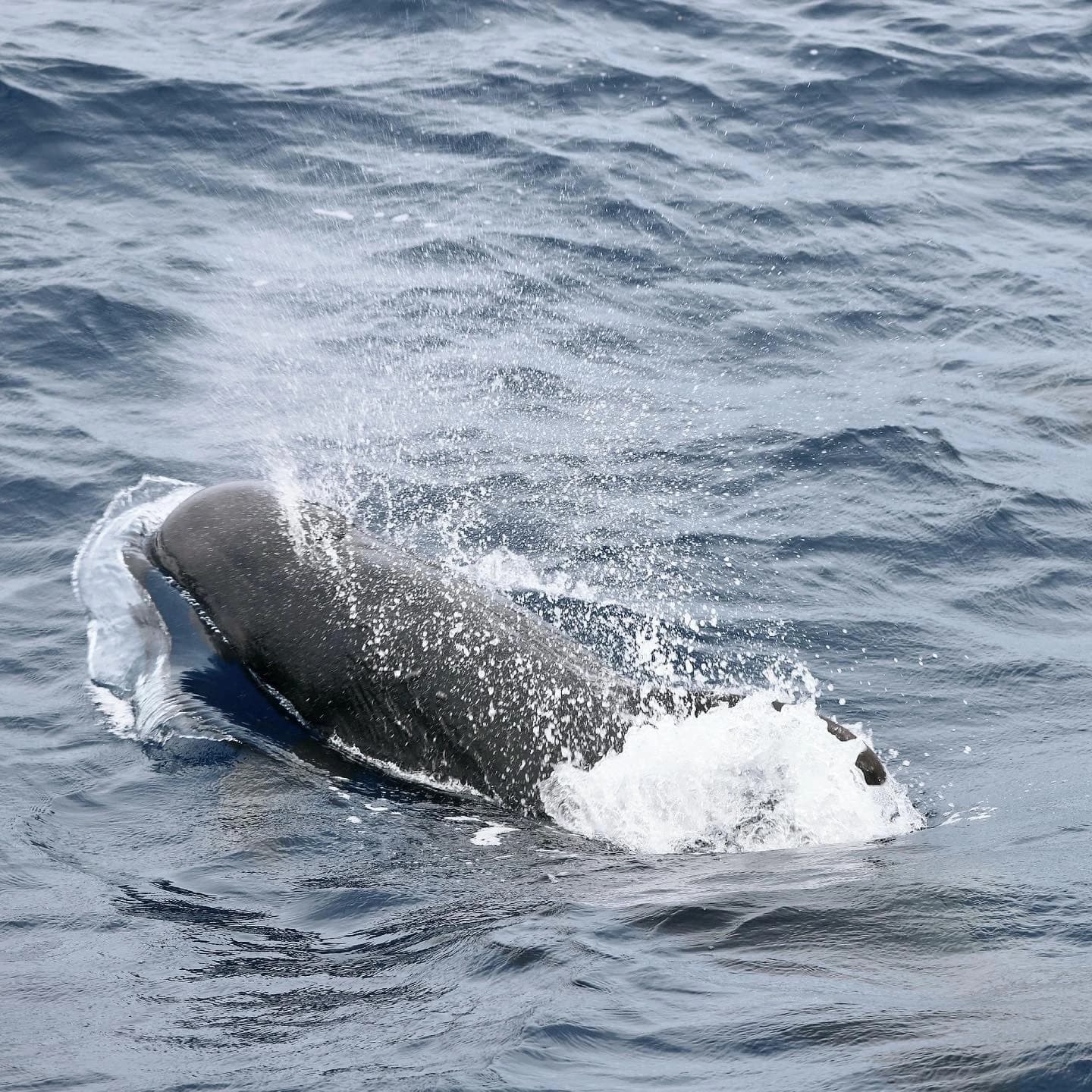
Whale watching in Sri Lanka has become one of the island's most iconic travel experiences, drawing marine wildlife enthusiasts from around the globe to witness the largest animals on Earth in the warm waters of the Indian Ocean. Sri Lanka's unique position along major cetacean migration routes, combined with the proximity of deep oceanic waters to the coast, creates ideal conditions for encountering blue whales, sperm whales, Bryde's whales, and numerous dolphin species on relatively short boat trips. The country offers not one but two distinct whale watching seasons on opposite coasts, meaning that cetacean encounters are possible during almost every month of the year.

Mirissa on the southern coast serves as the primary whale watching hub from November through April, when blue whales migrate through the deep waters just 10 to 20 kilometers offshore. During peak months of January through March, sighting success rates regularly exceed 80 percent, making Mirissa one of the most reliable blue whale watching locations on the planet. From May to October, the action shifts to Trincomalee on the northeastern coast, where blue whales and sperm whales are spotted in the Bay of Bengal. Kalpitiya on the northwestern coast rounds out the trio, offering exceptional spinner dolphin encounters and occasional whale sightings year-round.

This comprehensive guide covers everything you need to plan the perfect whale watching trip in Sri Lanka: from choosing the right season and departure point, to selecting a responsible operator, understanding what to expect on the water, and maximizing your chances of encountering these magnificent marine giants. Whether you are hoping to see a blue whale for the first time or are a seasoned cetacean enthusiast, Sri Lanka offers whale watching experiences that are accessible, affordable, and genuinely world-class.
Where to See

Mirissa

very high

The primary whale watching departure point (November-April). Blue whales, sperm whales, and dolphins are regularly spotted 10-20 km offshore with 80%+ success rates.

coast

Trincomalee

high

The northeast coast season runs May to October. Blue whales, sperm whales, and dolphins inhabit the deep waters off Trincomalee, with fewer crowds than Mirissa.

coast

Kalpitiya

high

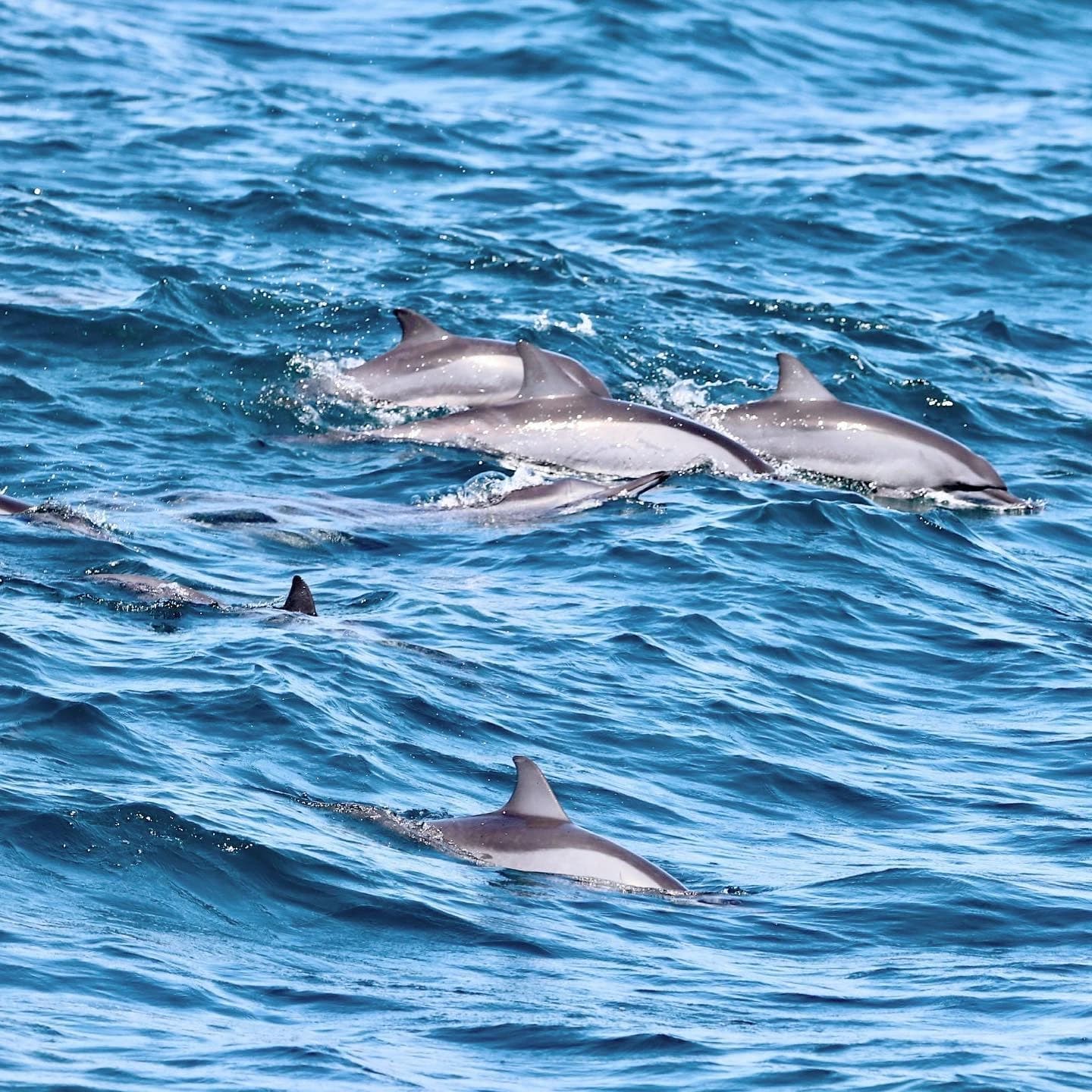
Best known for massive spinner dolphin super-pods (Nov-Apr), Kalpitiya also offers occasional sperm whale sightings in deeper offshore waters.

coast

Dondra Head

high

Sri Lanka's southernmost point where the continental shelf is closest to shore. Some operators run trips from Matara targeting this productive area.

coast

Activities & Experiences

Mirissa Blue Whale Tour

$40 - $80 per person (standard), $120 - $250 (private/premium)

The classic Sri Lankan whale watching experience. A 4-6 hour morning boat trip from Mirissa Harbour targeting blue whales on the continental shelf edge, with frequent bonus sightings of sperm whales and dolphins.

Trincomalee Whale Safari

$50 - $100 per person

Whale watching from the northeast coast during the May-October season. A more off-the-beaten-path experience with smaller operators, fewer tourists, and excellent sperm whale sightings.

Kalpitiya Dolphin and Whale Safari

$30 - $60 per person

A morning excursion targeting the famous spinner dolphin super-pods of up to 1,000 individuals, with the possibility of sperm whale sightings in deeper waters.

Premium Small-Group Whale Tour

$120 - $250 per person

A higher-end experience with a maximum of 10 passengers, a marine biologist guide, a faster and more comfortable boat, and commitment to responsible whale watching practices.

Multi-Species Marine Safari

$100 - $200 per person

An extended full-day marine excursion from Mirissa covering whale watching, dolphin encounters, and optional coral reef snorkeling for a comprehensive marine wildlife experience.

Research Expedition Trip

$150 - $300 per person

Join a cetacean research team on a working research vessel, assisting with photo-identification, behavioral observations, and data collection while observing whales and dolphins.

Viewing Tips

  • Book with responsible operators who follow international whale watching guidelines: no chasing, maintaining minimum distances, and limiting time near individual animals.
  • Take anti-seasickness medication (Dramamine, ginger pills) 30-60 minutes before departure. Even experienced seafarers can be affected by open ocean swells.
  • Bring binoculars for scanning the horizon. The first sign of a whale is often the spout, visible from several kilometers away.
  • Be patient during the journey to the whale feeding grounds (1-2 hours). Use this time to scan for dolphins and sea birds that often indicate whale activity nearby.
  • Peak months of January through March at Mirissa offer the highest success rates and calmest seas for the most comfortable experience.
  • If your first trip is unsuccessful, many operators offer discounted or free repeat trips. Ask about their policy before booking.

Photography Tips

  • A 70-200mm or 100-400mm lens is the ideal range for whale photography from a boat. Longer lenses are too difficult to stabilize on a moving vessel.
  • Set your shutter speed to 1/1000s or faster and use continuous autofocus to freeze the motion of both the boat and the whale.
  • Watch for the spout, then track the whale's back as it arches, and wait for the iconic tail fluke display as it dives. This sequence takes about 10-15 seconds.
  • Protect your gear from salt spray with a waterproof cover or bag. Wipe lenses frequently with a dry microfiber cloth.

Frequently Asked Questions

When is the whale watching season in Sri Lanka?

The south coast season (from Mirissa) runs November to April, peaking January-March. The northeast coast season (from Trincomalee) runs May to October. Kalpitiya offers dolphin watching November to April. Combined, some form of cetacean watching is possible nearly year-round.

How much does whale watching cost in Sri Lanka?

Standard shared boat tours from Mirissa cost $30-55 per person. Better-quality operators with smaller boats and responsible practices charge $60-100. Premium small-group tours with marine biologist guides cost $150-250 per person.

What types of whales can you see in Sri Lanka?

Blue whales are the primary attraction, especially at Mirissa. Sperm whales are also commonly seen. Other possible species include Bryde's whales, fin whales, and occasionally humpback whales. Dolphins (spinner, bottlenose, common) are seen on nearly every trip.

How long is a whale watching trip?

Typical trips from Mirissa last 4-6 hours, departing around 6:30 AM and returning by noon. The journey to the whale feeding grounds takes 1-2 hours each way, with 1-3 hours of actual whale observation time.

Will I definitely see a whale?

During peak season (January-March) at Mirissa, sighting success rates exceed 80% for blue whales and are near 90% for any cetacean species. However, wildlife sightings can never be guaranteed. Many operators offer discounted repeat trips if no whales are spotted.

How do I choose a responsible whale watching operator?

Look for operators who: maintain minimum distances from whales, do not chase or cut off whales, limit observation time per animal, use smaller boats with fewer passengers, and employ trained marine guides. Ask about their whale watching code of conduct before booking.

Quick Facts

Main SpeciesBlue whale, Sperm whale, Bryde's whale
South Coast SeasonNovember - April (Mirissa)
East Coast SeasonMay - October (Trincomalee)
Success Rate80%+ at Mirissa in peak season
Trip Duration4-6 hours
Distance Offshore10-20 km from Mirissa

Best Time to Visit

JanuaryFebruaryMarch

January to March is the absolute peak for whale watching from Mirissa, with the highest blue whale sighting success rates, calmest sea conditions, and most comfortable weather. For the northeast coast, July and August offer the best conditions from Trincomalee.

Best Time of Day

Whale watching boats depart between 6:00 and 7:00 AM for the best conditions. Morning seas are typically calmer, and whale feeding activity is higher. Tours return by noon to early afternoon.

Tour Costs

Budget$30 - $55 per person (large shared boat, basic operator)
Standard$60 - $100 per person (mid-size boat, responsible operator, guide)
Premium$150 - $250 per person (small group, marine biologist, premium boat)

Safety Info

  • Always wear the provided life jacket throughout the entire boat trip. No exceptions.
  • Choose operators whose boats are properly maintained, carry safety equipment (life jackets, radio, first aid), and have a valid operating license.
  • Protect yourself from the intense ocean sun. Apply waterproof SPF 50+ sunscreen, wear a hat and sunglasses, and cover exposed skin.
  • Stay seated when instructed by the crew. Open ocean swells can cause sudden lurches that throw standing passengers off balance.
  • Inform the crew of any medical conditions, allergies, or seasickness concerns before departure.
  • Do not lean over the boat rails when whales are close. Maintain a stable, centered position in the vessel.

Getting There

From Colombo

Mirissa is 150 km south of Colombo (3-4 hours via the Southern Expressway). Trincomalee is 260 km northeast (5-6 hours by road). Kalpitiya is 170 km northwest (3-4 hours). Most travelers base themselves at the departure town for at least 2 nights.

Top Location

Mirissa (November - April)

Directions

Mirissa is on the southern coast, 150 km from Colombo. All whale watching boats depart from Mirissa Harbour. Trincomalee is on the northeast coast, 260 km from Colombo. Kalpitiya is 170 km northwest of Colombo.

Where to Stay

Paradise Beach Club Mirissa
mid range$60 - $120 per night
Mirissa Backpackers Hostel
budget$10 - $25 per night
Trinco Blu by Cinnamon
luxury$120 - $250 per night
Kalpitiya Villas
mid range$50 - $100 per night

Explore More Wildlife