
Things to Do in Unawatuna
Discover the top 11 attractions and activities in Unawatuna, Sri Lanka - from temples and nature to adventure and culture.
Why Visit Unawatuna?
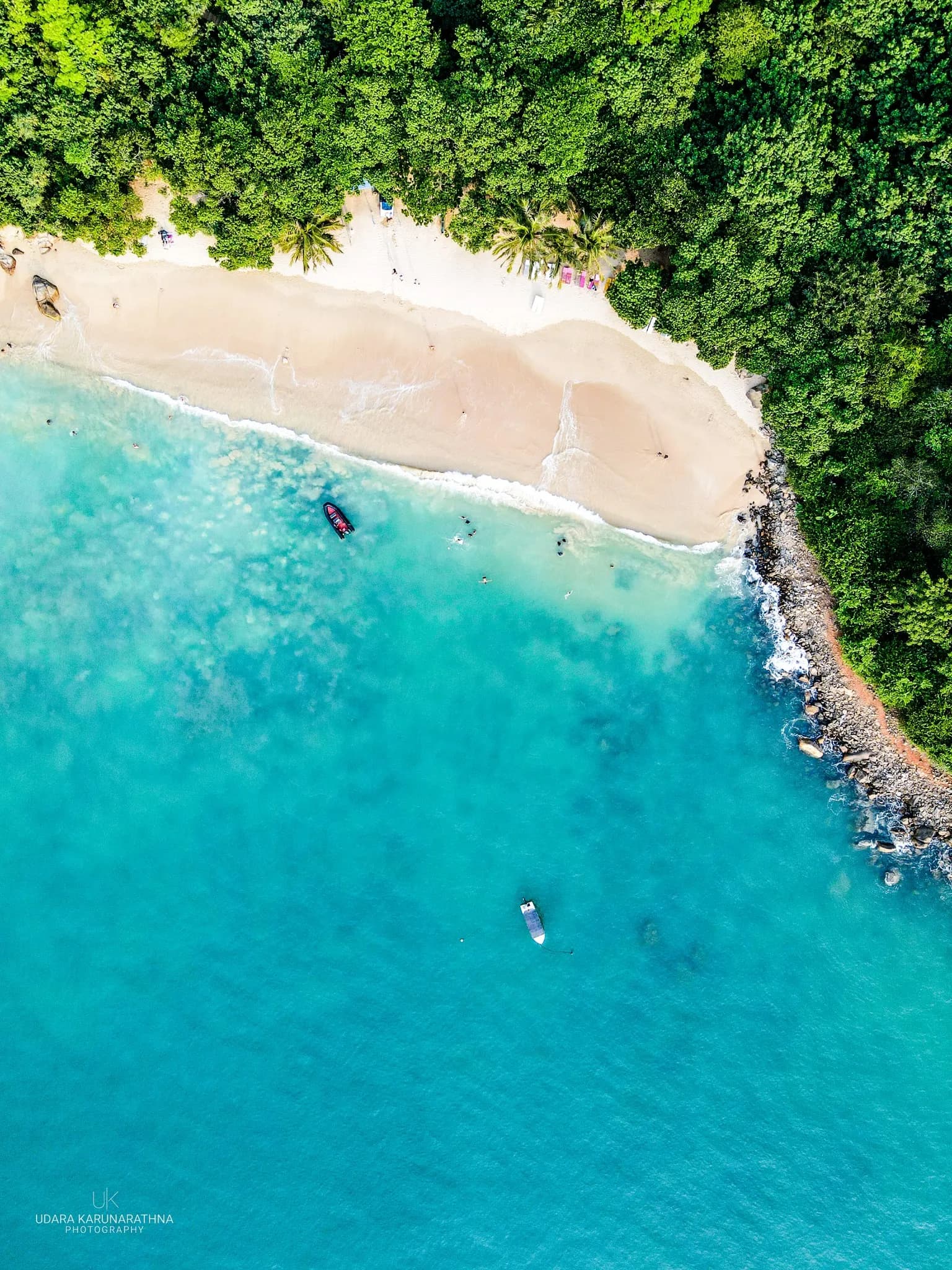
Unawatuna is a stunning beach resort town on Sri Lanka's southern coast, just 5 kilometers southeast of the UNESCO World Heritage <a href="/destinations/galle">Galle Fort</a>. Once named one of the world's best beaches by Discovery Channel, this horseshoe-shaped bay offers calm, turquoise waters protected by a natural coral reef — making it one of the safest and most enjoyable swimming beaches in the country. Whether you are looking for world-class snorkeling, vibrant nightlife, or a peaceful base to explore the southern coastline, Unawatuna delivers on every front.
The <a href="/beaches/unawatuna">Unawatuna Beach</a> stretches for roughly 800 meters of soft golden sand, backed by swaying coconut palms and a lively strip of restaurants, boutique hotels, and beach bars. Unlike some of Sri Lanka's rougher surf beaches, the offshore reef keeps the waters gentle and inviting year-round — even during the monsoon months when neighboring beaches become dangerous. Sea turtles are regular visitors to the bay, and spotting a green turtle or hawksbill turtle while snorkeling is a common highlight for visitors. The underwater world here is rich with colorful coral formations, tropical fish, and the occasional reef shark, drawing snorkelers and scuba divers from around the globe.
Beyond the beach, Unawatuna is surrounded by a wealth of cultural and natural attractions. Hike up to the Japanese Peace Pagoda for sweeping panoramic views of the coastline, explore the ancient Yatagala Raja Maha Viharaya temple hidden in the jungle, or trek through the legendary Rumassala Hill — said to be a chunk of the Himalayas dropped by the Hindu god Hanuman. Day trips to <a href="/destinations/galle">Galle Fort</a>, <a href="/destinations/mirissa">Mirissa</a> for whale watching, and <a href="/destinations/hikkaduwa">Hikkaduwa</a> for surfing are all within easy reach, making Unawatuna the ideal base camp for exploring Sri Lanka's spectacular south coast.
Quick Facts
Best Time
December — April
Min. Days
2-4 days
From Colombo
2.5-3 hours
From Airport
3.5-4 hours
Known For
Beach, snorkeling, peace pagoda
Beach Length
~800 meters
Things to Do in Unawatuna
Unawatuna Beach
The main attraction — a stunning 800-meter crescent bay with calm, turquoise waters protected by an offshore coral reef. The golden sand beach is perfect for swimming, sunbathing, and snorkeling, with sea turtles frequently spotted in the shallows. Beach chairs and umbrellas are available for rent, and the beachfront is lined with restaurants and bars serving fresh seafood and cocktails. The western end of the beach is quieter, while the eastern end near the main road is livelier with more amenities.
Jungle Beach
A secluded, picturesque cove hidden behind a short jungle trail from the eastern end of Unawatuna. Jungle Beach is smaller and much quieter than the main beach, surrounded by lush tropical vegetation and large boulders. The snorkeling here is arguably better than at the main beach, with healthier coral and more diverse marine life including parrotfish, angelfish, and moray eels. A small beach bar serves drinks and simple meals. You can also reach Jungle Beach by boat from Unawatuna (LKR 500-800 per person).
Tip: The trail takes about 15 minutes from Unawatuna. Wear sturdy sandals as the path can be rocky. Arrive before 10 AM for the best snorkeling visibility and fewer crowds. Bring your own snorkel gear as rental options are limited here.
Japanese Peace Pagoda (Rumassala)
A magnificent white stupa perched on Rumassala Hill, built by Japanese Buddhist monks of the Nipponzan-Myohoji order as a symbol of world peace. The pagoda features four golden Buddha statues facing the cardinal directions, each depicting a different stage of the Buddha's life. The real highlight is the panoramic view — from the hilltop you can see the entire Unawatuna Bay, the Indian Ocean stretching to the horizon, and the distant ramparts of Galle Fort. The 20-minute uphill walk through jungle trails passes medicinal herb gardens and offers glimpses of monkeys and tropical birds.
Tip: Visit at sunrise for the most magical light and a peaceful atmosphere with almost no other visitors. Sunset is also spectacular but more crowded. Dress modestly (cover shoulders and knees) as this is an active place of worship. Bring water for the uphill walk.
Yatagala Raja Maha Viharaya
An ancient Buddhist rock temple dating back over 2,300 years, hidden in the lush jungle interior behind Unawatuna. This serene temple complex features beautiful rock carvings, a reclining Buddha statue carved into the natural rock face, ancient murals depicting Jataka tales, and a large Bo tree (Bodhi tree) that is said to be one of the oldest in Sri Lanka. Unlike the more touristy temples in the region, Yatagala receives very few visitors, giving it an authentic and tranquil atmosphere. The resident monks are welcoming and happy to explain the temple's history.
Tip: Located about 3 km inland from Unawatuna — take a tuk-tuk (LKR 300-400) or walk through scenic paddy fields. Remove shoes and cover shoulders before entering the temple. Early morning visits are coolest and most peaceful.
Rumassala Hill & Medicinal Herbs
A biodiverse jungle-covered headland steeped in legend. According to the ancient Hindu epic Ramayana, Rumassala is a piece of the Himalayas dropped here by the monkey god Hanuman while carrying a mountain of medicinal herbs to heal the wounded prince Lakshmana. The hill is home to rare medicinal plants found nowhere else in southern Sri Lanka, lending credence to the legend. Walking trails wind through the dense jungle past giant boulders, ancient trees draped with vines, and viewpoints overlooking the ocean. The area is also excellent for birdwatching, with species including Sri Lanka hanging parrots, paradise flycatchers, and various kingfishers.
Tip: Combine with a visit to the Japanese Peace Pagoda, which sits at the summit of Rumassala. Bring insect repellent and water. The trails can be slippery after rain — wear good footwear. A local guide (LKR 1,000-2,000) can point out medicinal plants and share the Ramayana legends.
Snorkeling at Unawatuna Reef
The coral reef just offshore from Unawatuna Beach offers accessible and rewarding snorkeling for all skill levels. The shallow, calm waters (1-5 meters deep) are home to a kaleidoscope of tropical fish including butterflyfish, clownfish, parrotfish, and triggerfish, along with sea cucumbers, starfish, and the occasional octopus. Green sea turtles and hawksbill turtles are regularly spotted grazing on seagrass near the reef. Snorkeling gear is available for rent from beach shops and some restaurants along the beachfront.
Tip: The best snorkeling is on the eastern side of the bay near the rocks. Morning hours (7-10 AM) offer the best visibility before afternoon winds stir up the water. Reef-safe sunscreen is essential — regular sunscreen damages the coral. Never stand on or touch the coral.
Scuba Diving
Several PADI-certified dive centers in Unawatuna offer everything from introductory discover scuba dives to full certification courses. Popular dive sites include the Rangoon Wreck (a 19th-century cargo ship at 32 meters depth), the Unawatuna Reef (shallow coral gardens perfect for beginners), and deeper sites with swim-throughs and wall dives. Marine life includes reef sharks, barracuda, rays, moray eels, and enormous schools of tropical fish. Visibility ranges from 10-25 meters depending on the season.
Tip: Sea Riders and Unawatuna Diving Centre are two reputable operators. Book in advance during peak season (December-March). Morning dives typically offer better visibility. Bring your dive log if you are a certified diver.
Glass-Bottom Boat Tours
For those who want to experience the underwater world without getting wet, glass-bottom boat tours depart from Unawatuna Beach throughout the day. The boats glide over the coral reef, giving passengers a clear view of the colorful fish, coral formations, and sea turtles below. Tours last about 30-45 minutes and cover the main reef area and the approach to Jungle Beach. Some operators combine the boat tour with a stop at Jungle Beach for swimming and snorkeling.
Tip: Best visibility in the morning when the water is calmest and clearest. Negotiate the price before boarding — rates are often inflated for tourists. Tours with a Jungle Beach stop offer the best value.
Sea Turtle Watching
Sea turtles are one of Unawatuna's greatest natural treasures. Green turtles and hawksbill turtles are regularly seen in the bay, often swimming right alongside snorkelers in shallow water. The turtles come to feed on the seagrass beds near the reef and are remarkably calm around humans. Responsible turtle watching is free — simply wade into the water and keep your eyes open. Some boat operators offer dedicated turtle-spotting trips that combine snorkeling at known turtle hotspots.
Tip: Early morning (6-8 AM) is the best time to spot turtles before the beach gets busy. Always maintain at least 3 meters distance and never touch or chase turtles. Flash photography disturbs them. Between January and April, you may also see turtles nesting on quieter beaches nearby.
Rumassala Viewpoint
At the eastern end of Unawatuna Bay, a short but steep climb up the Rumassala headland leads to a stunning viewpoint overlooking the entire bay, the beach, and the ocean beyond. The viewpoint is less well-known than the Peace Pagoda and offers a different perspective of the coastline. On clear days, you can see all the way to Galle Fort in the distance. It is an excellent spot for photography, especially during golden hour.
Tip: Bring water and wear good shoes for the rocky path. Late afternoon light produces the best photographs.
Beach Nightlife & Bars
Unawatuna has one of the liveliest beach nightlife scenes on the south coast. As the sun sets, beach bars light up with fairy lights, fire dancers perform on the sand, and DJs spin chill house and reggae tunes. Popular spots include Happy Banana for budget-friendly cocktails and live music, Kingfisher for upscale beachfront drinks, and the rotating moonlight parties on the beach during peak season. The vibe is relaxed and social — a mix of backpackers, digital nomads, and couples enjoying the tropical evenings.
Tip: The nightlife peaks between December and March. Most bars close by midnight-1 AM as Unawatuna is more mellow than party destinations like Hikkaduwa. Full moon Poya days are public holidays when alcohol sales are restricted — plan accordingly.
Best Time to Visit Unawatuna
December to April
The dry season brings sunny skies, calm seas, and the best underwater visibility for snorkeling and diving. January and February are peak months with the warmest water temperatures (28-29°C) and the clearest conditions. However, thanks to its sheltered bay and protective reef, Unawatuna is one of the few beaches in southern Sri Lanka where swimming remains comfortable almost year-round. The shoulder months of November and April offer good weather with fewer crowds and lower prices. Avoid May to July when the southwest monsoon brings rough seas, heavy rain, and strong currents — though the beach remains accessible, water activities are limited.
Unawatuna FAQs
Is Unawatuna Beach safe for swimming?
Yes, Unawatuna is one of the safest swimming beaches in Sri Lanka. The natural offshore coral reef creates a sheltered lagoon with calm, gentle waters suitable for children and less confident swimmers. Even during the monsoon months, the bay remains calmer than neighboring beaches. However, always exercise caution near the rocky areas at the bay edges where currents can be stronger.
Can I see turtles at Unawatuna?
Yes — sea turtles are one of Unawatuna's biggest draws. Green turtles and hawksbill turtles regularly visit the bay to feed on seagrass near the reef. You can often spot them while snorkeling in shallow water, especially in the early morning hours between 6-8 AM. Always maintain a respectful distance of at least 3 meters and never touch or chase the turtles.
How far is Unawatuna from Galle Fort?
Unawatuna is just 5 km southeast of Galle Fort — about a 10-15 minute tuk-tuk ride costing LKR 400-600. You can also take a local bus for around LKR 30, which runs frequently along the coastal road. Many visitors combine both destinations in a single day, spending mornings at the beach and afternoons exploring the fort.
Is Unawatuna good for snorkeling?
Unawatuna offers excellent snorkeling directly from the beach. The offshore coral reef is home to colorful tropical fish, sea turtles, and interesting coral formations. Equipment can be rented from beach shops for LKR 500-1,000. For even better snorkeling with healthier coral and more marine life, walk 15 minutes along the jungle trail to Jungle Beach. Morning hours (before 10 AM) offer the best underwater visibility.
What is the best time to visit Unawatuna Sri Lanka?
The best time to visit Unawatuna is during the dry season from December to April. January and February offer the peak conditions with sunny skies, calm seas, and excellent snorkeling visibility. However, the sheltered bay makes Unawatuna swimmable almost year-round. The shoulder months of November and April offer good weather with fewer tourists and lower hotel prices.
How do I get to Unawatuna from Colombo?
The fastest route is by car or taxi via the Southern Expressway — about 2.5 hours and LKR 12,000-18,000. The scenic coastal train from Colombo Fort takes 3-4 hours and costs LKR 300-500 for second class. Express buses from Pettah bus station take 3-4 hours and cost LKR 600-800 for A/C service. All options go to Galle first, then a short tuk-tuk ride (10 minutes) to Unawatuna.
How many days do I need in Unawatuna?
Most visitors spend 2-4 days in Unawatuna. Two days is enough for the beach, snorkeling, and a visit to Galle Fort. With three or four days, you can add the Japanese Peace Pagoda, Jungle Beach, Yatagala temple, a diving course, and a day trip to Mirissa for whale watching. Budget travelers and digital nomads often stay a week or more due to the affordable accommodation and relaxed lifestyle.
Is Unawatuna suitable for families with children?
Unawatuna is one of the best family-friendly beaches in Sri Lanka. The calm, shallow waters protected by the reef are safe for children to swim and play in. There are plenty of restaurants with varied menus, comfortable family accommodations at all price points, and fun activities like glass-bottom boat tours and turtle watching that kids love. Jungle Beach is also a great adventure for older children.
What is there to do in Unawatuna besides the beach?
Beyond the beach, Unawatuna offers plenty of activities. Hike to the Japanese Peace Pagoda for stunning views, explore the ancient Yatagala temple, walk through the legendary medicinal herb forests of Rumassala Hill, go scuba diving on shipwrecks, take a glass-bottom boat tour, or enjoy the lively nightlife at beachfront bars. Day trips to Galle Fort (5 km), Mirissa whale watching (25 km), and Koggala stilt fishermen (12 km) are all easily accessible.
Is Unawatuna expensive?
Unawatuna caters to all budgets. Hostel dorms start from $8-15 per night, mid-range guesthouses from $30-70, and luxury resorts from $150-500. A rice and curry lunch costs LKR 500-800 at local spots, while beachfront restaurants charge LKR 1,500-4,000 for seafood mains. Prices rise 30-50% during peak season (December-February) and drop significantly in the off-season.
Can I go diving in Unawatuna?
Yes, Unawatuna is a great base for scuba diving. PADI-certified dive centers offer beginner discover scuba dives (LKR 12,000-15,000), fun dives for certified divers (LKR 12,000-18,000 for two dives), and full Open Water certification courses (LKR 65,000-85,000 over 3-4 days). Popular dive sites include the Rangoon Wreck at 32 meters and shallow reef dives with sea turtles. The best diving conditions are between December and April.
Does Unawatuna have nightlife?
Unawatuna has a laid-back but lively nightlife scene, especially during peak season (December-March). Beach bars like Happy Banana, Kingfisher, and various beachfront spots serve cocktails as the sun sets, with fire dancers, DJs, and live music. The atmosphere is social and relaxed rather than wild — think sunset drinks and moonlight beach parties rather than late-night clubs. Most places wind down by midnight-1 AM. Note that alcohol sales are restricted on full moon Poya days.