Kumana National Park
Bird Nesting Colony255+

Kumana National Park

Kumana National Park (formerly Yala East) is Sri Lanka's most important bird nesting sanctuary, where thousands of waterbirds congregate to breed each year. Located on the remote southeast coast, this hidden gem offers a raw, uncrowded wildlife experience for adventurous travelers.

What makes Kumana special? The 200-hectare Kumana Villu (mangrove swamp) serves as a massive nesting colony for birds from April to July. During peak season, the trees are literally white with nesting herons, egrets, storks, and spoonbills - a spectacle unlike anything else in Sri Lanka.

Connected to Yala by the Kumbukkan Oya river, Kumana also supports leopards, elephants, and crocodiles. However, it's the birds that draw visitors - particularly serious birders seeking species difficult to see elsewhere.
Wildlife You'll See

Painted Stork

Massive nesting colonies

very high

Black-necked Stork

Rare, but Kumana is best location

high

Eurasian Spoonbill

very high

Grey Heron

Thousands nest here

very high

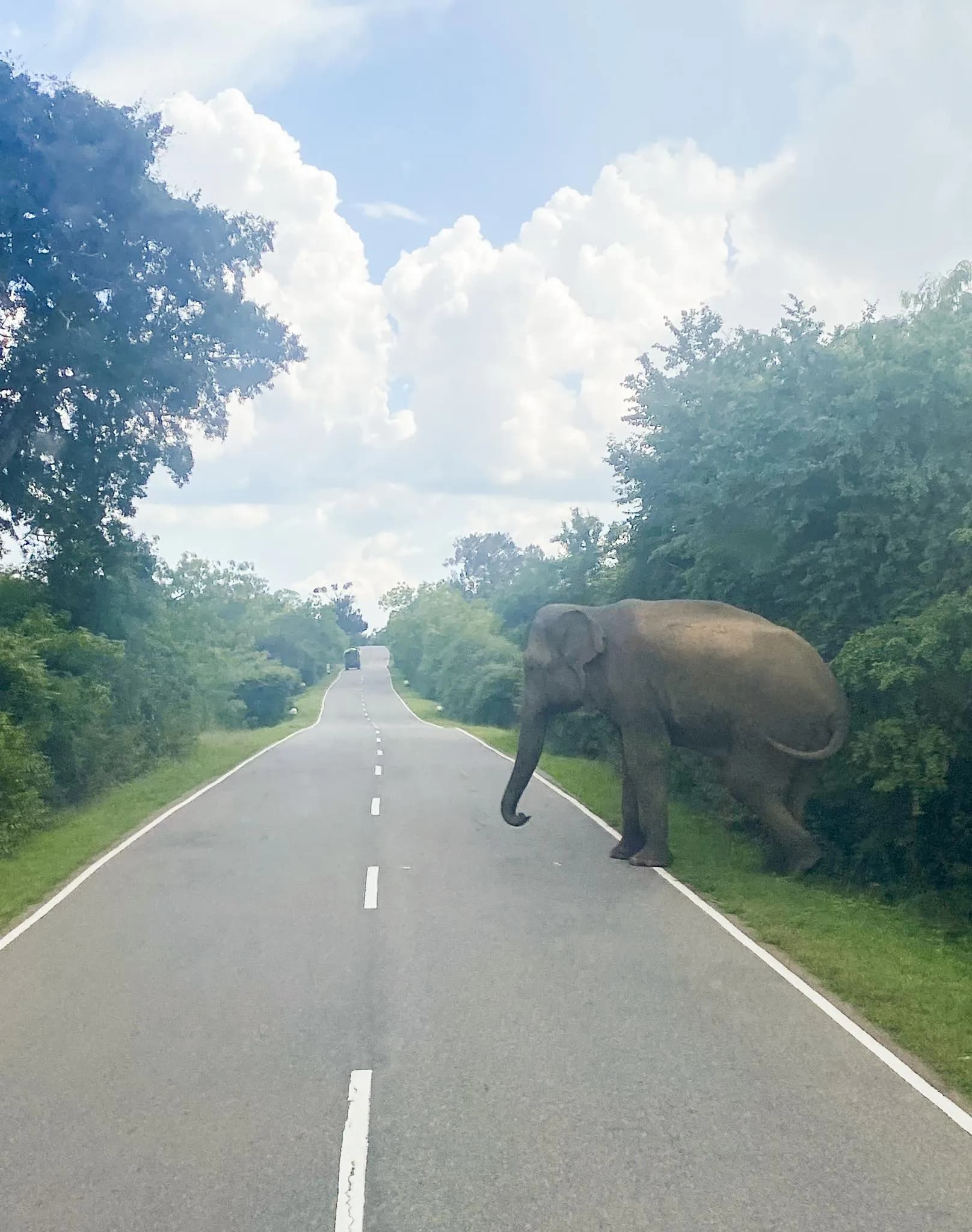
Asian Elephant

Herds around water sources

high

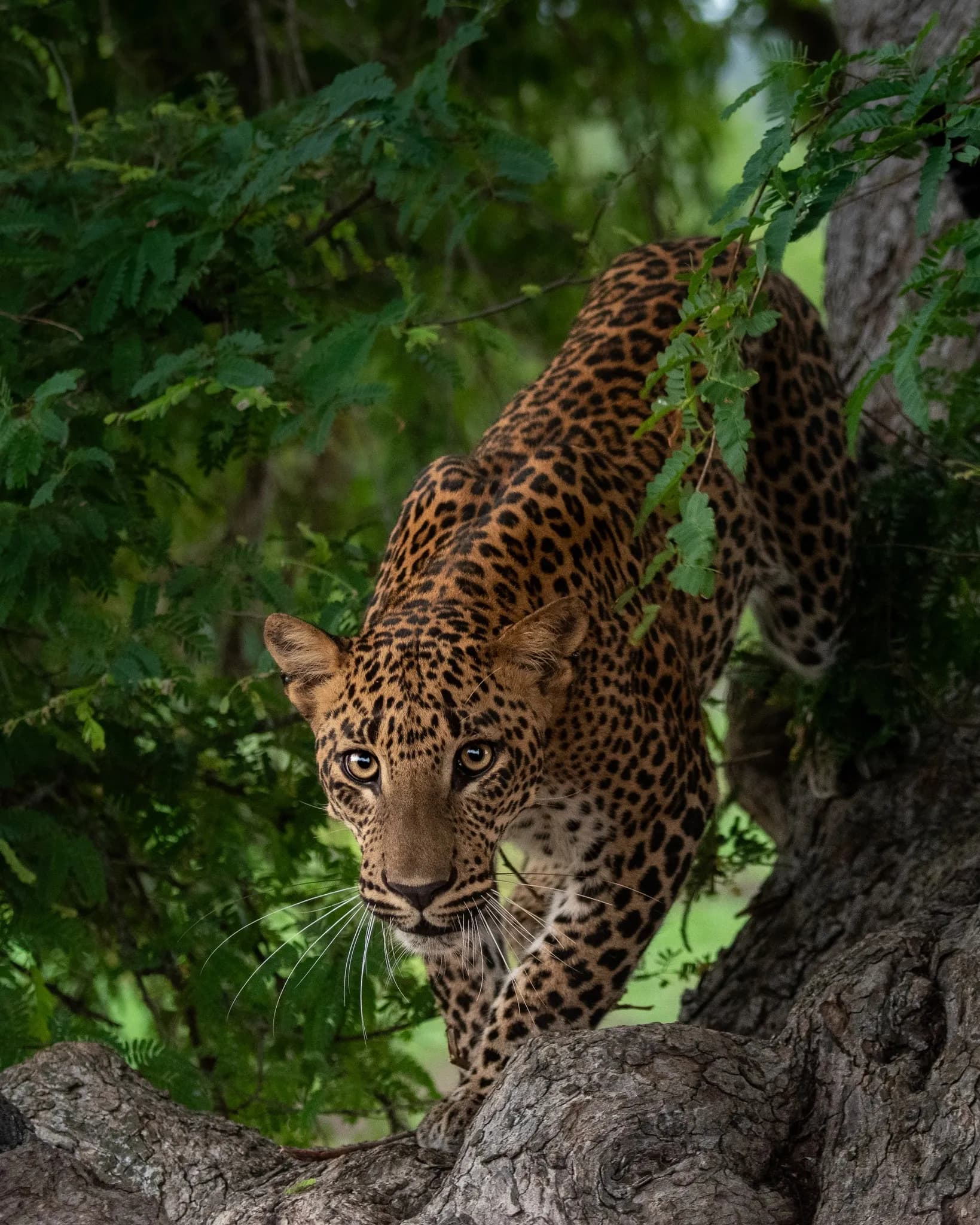
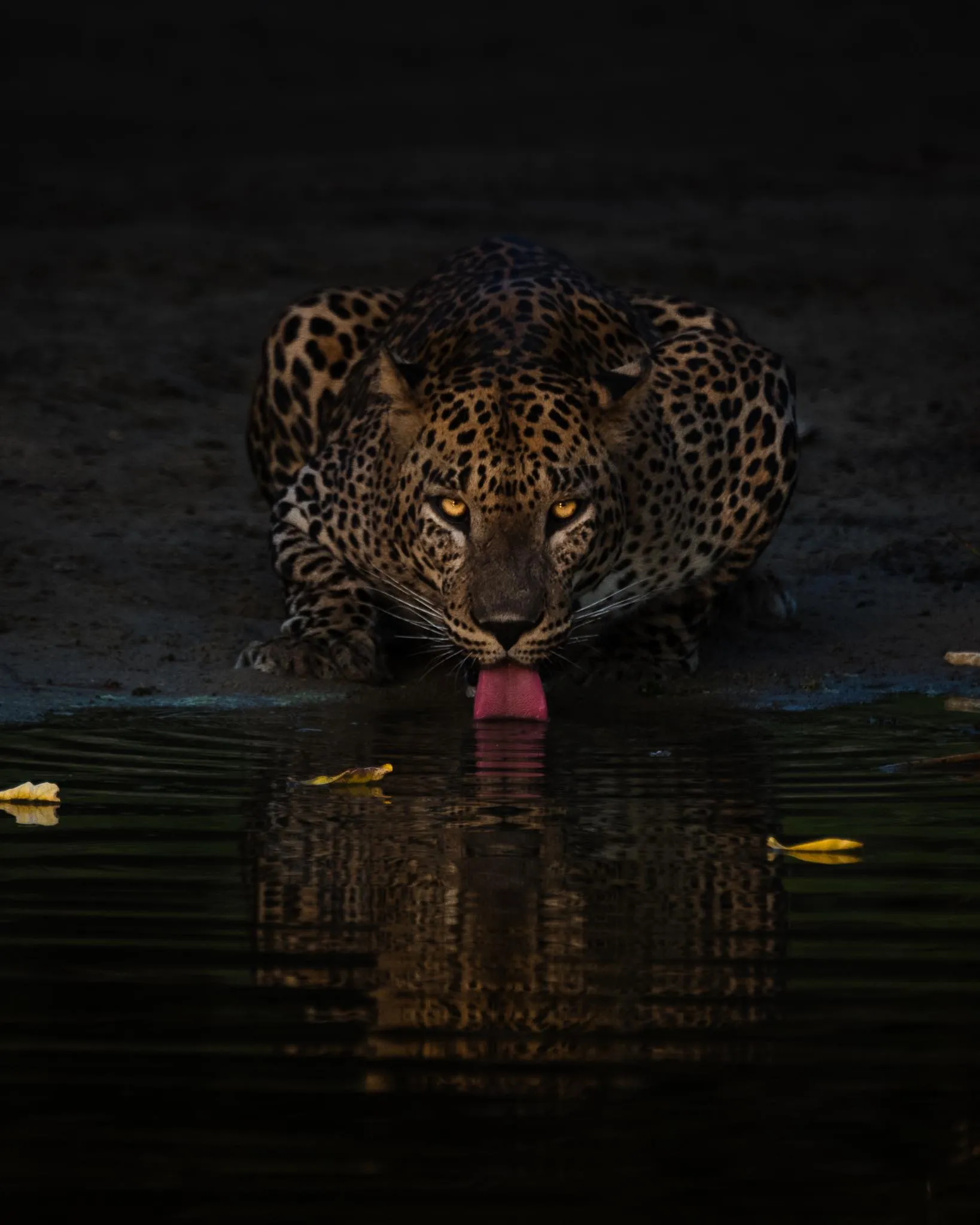
Sri Lankan Leopard

Better chances than other parks

moderate

Mugger Crocodile

very high

Wild Boar

high

Safari Options

half day Safari

$35-50 per person

Morning safari focused on the bird nesting areas and Kumana Villu.

Duration: 3-4 hoursBest time: 5:30 AM - 9:30 AM

full day Safari

$60-80 per person

Extended safari covering bird areas plus leopard and elephant territory.

Duration: 8-10 hoursBest time: 5:30 AM - 5:00 PM

Safari Tips

  • Visit April-July for the spectacular nesting colony
  • Book safaris from Arugam Bay - combine with surfing
  • Less crowded than any other major park
  • Better leopard chances than Yala (less traffic)
  • The road from Panama to Okanda is rough - 4WD needed
  • Start at dawn for best bird activity
  • Bring serious binoculars/scope for distant nesting birds

Frequently Asked Questions

When is the best time to see birds at Kumana?

April to July is peak nesting season when thousands of waterbirds breed at Kumana Villu. This is the best time to see massive colonies of painted storks, herons, egrets, and the rare black-necked stork.

Is Kumana National Park open year-round?

No, Kumana closes during the northeast monsoon, typically from October to February. The park is accessible from March to September, with April to July being the best months for birds.

How do I get to Kumana from Arugam Bay?

Kumana is about 25 km (45 minutes) from Arugam Bay via Panama village. The road is rough and requires a 4WD vehicle. Most visitors arrange safari jeeps from Arugam Bay.

Can I see leopards at Kumana?

Yes, Kumana is connected to Yala and has a healthy leopard population. Because it receives far fewer visitors than Yala, leopards are less habituated to vehicles but chances of sightings are reasonable on full-day safaris.

Is Kumana worth visiting for non-birders?

For serious wildlife enthusiasts, yes. Kumana offers elephants, leopards, and an uncrowded, authentic safari experience. However, birders will appreciate it most - the nesting colony is the main attraction.

Quick Facts

Famous ForBird Nesting Colony
Bird Species255+
Peak SeasonApril-July
From Arugam Bay25 km
Established1938
Size357 km²

Best Time to Visit

AprilMayJuneJuly

April to July is peak nesting season when thousands of waterbirds breed at Kumana Villu. The park is closed during northeast monsoon (usually October to February). March to September offers the best access and wildlife viewing.

Entry Fees

Foreign Adult$25 USD
Foreign Child$15 USD
Vehicle300 LKR

Getting There

From Colombo

350 km (7-8 hours by car)

Nearest Town

Arugam Bay / Panama

Where to Stay

Arugam Bay hotels
mid range$50-100/night
Panama Village guesthouses
budget$20-40/night
Kumana camping
tented camp$30-50/night

Explore More Parks